Solitaire With a Story: How Adventure Solitaire Works

Adventure solitaire keeps the cards and adds a reason to clear them. Each win moves a story forward, opens a new place on a map or earns a reward. Sometimes the card rules stay classic, and sometimes the story changes them. This guide explains what the extra layer adds and how six games handle it.
For the plain rules of Klondike, Spider and TriPeaks, see the solitaire rules guide. This one covers the frame around the cards.
What does the story layer add?
Three things, in most games: a plot that advances when you win, characters who appear between levels, and rewards that make the next level easier. The cards remain the puzzle. The story is the reason you keep going.
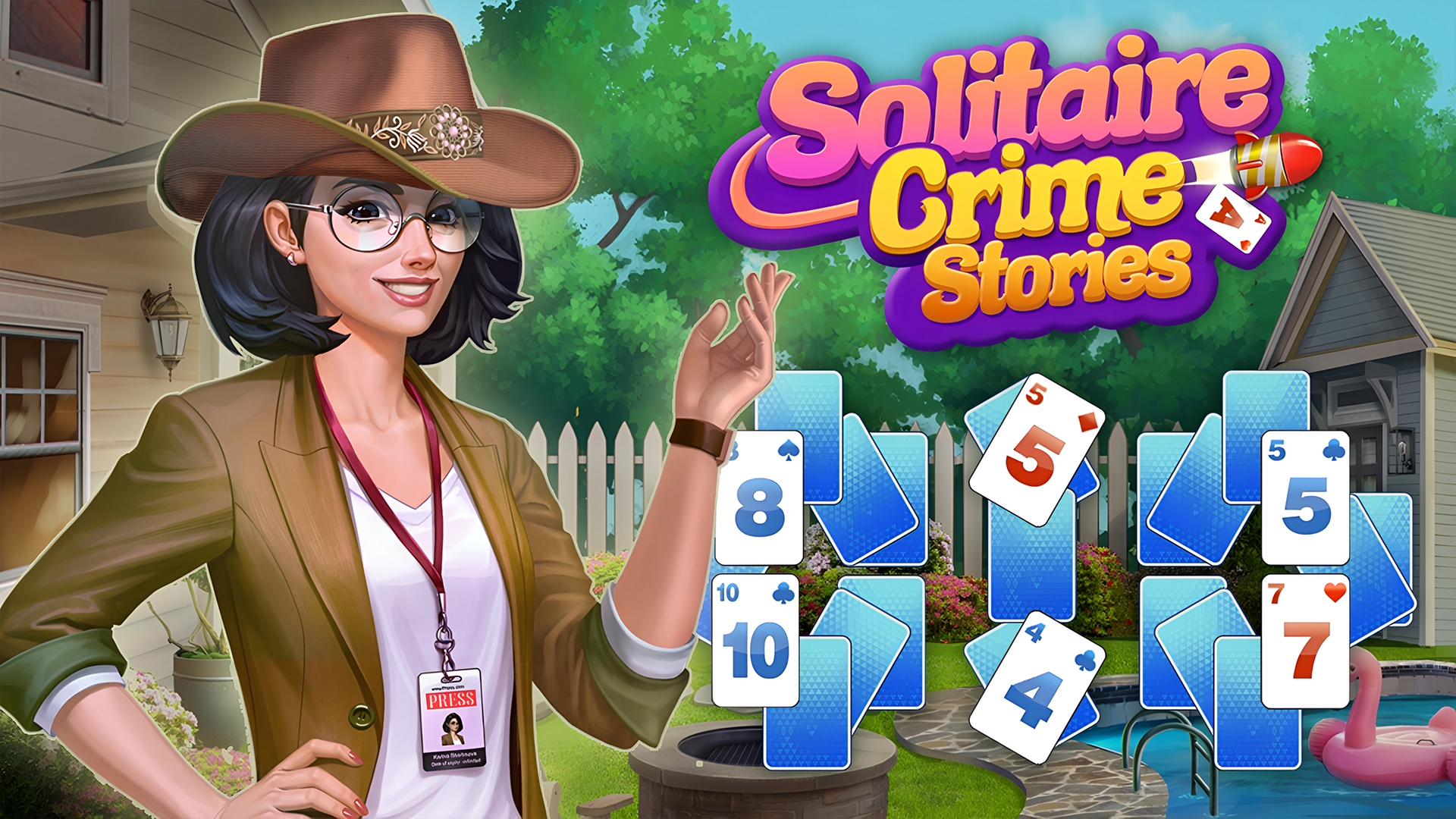
Solitaire Crime Stories shows this clearly. It opens in Springdale, a town with murders and family secrets under the surface, and puts you beside a young journalist, Lana Whitt. Each win moves a case forward. Lana and Assistant Sheriff Bill Maite examine crime scenes, weigh clues and question suspects, and the story introduces dozens of locals. The game has no in-game purchases.
Does the card rule change?
Sometimes. Some adventure games keep Klondike as it is, and some build a new rule around a theme.
- Clear the field: In Solitaire Crime Stories you remove cards from the playing field to finish each level. Boosters are there for boards that refuse to clear, and the description suggests saving them for the levels that give you real trouble.
- Order by rank: Solitaire Emperor - Secrets of Fate is built around tarot cards. You take cards off the field in the order ace, king, queen, jack, ten and down. Chains of moves earn coins, and a gold card can keep a chain from breaking when no moves remain.
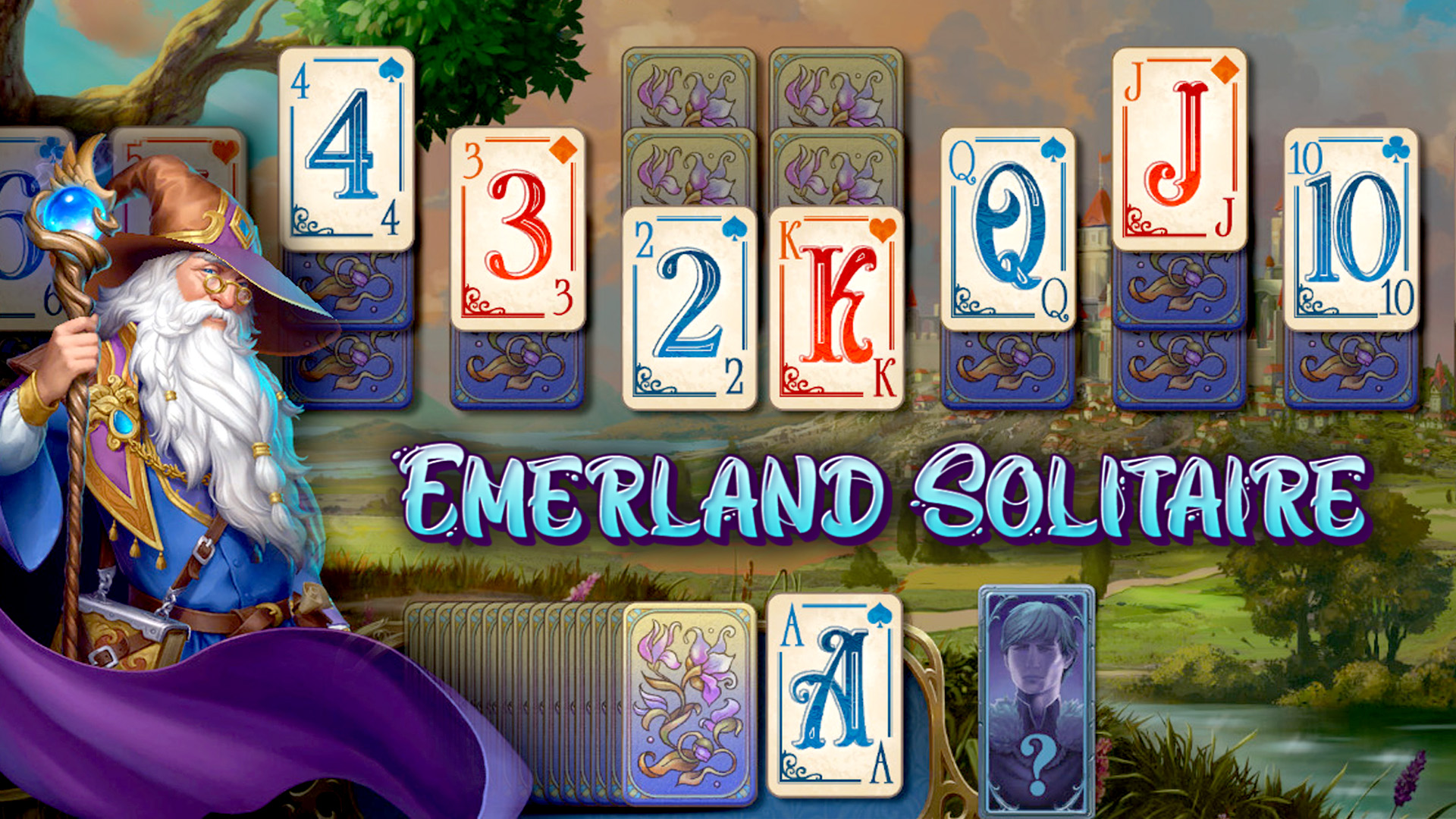
- Collect combinations: Emerland Solitaire sets the puzzles in a tale of mages fighting over the Source of ancient card magic. You explore the land with a Knight, an Elven Archeress and a Sorceress, and you collect combinations to solve each puzzle.
- Classic Klondike: Solitaire Klondike - Treasure Island dresses the familiar game in a pirate theme. You still build four suit piles from Ace to King across seven piles, and only a king can start an empty pile. The game has optional in-game purchases, and it is free to open in your browser.
How does progress work?
Progress comes in forms that differ by game. In Crime Stories you reach new corners of Springdale and meet more of its residents as you keep winning. In Emerland Solitaire you take rewards and recruit new assistants, and the game's tip is to bring them onto harder levels, where an extra hand with the puzzle matters. In Emperor, leftover cards in the deck turn into extra coins at the end of a level, so playing efficiently pays.
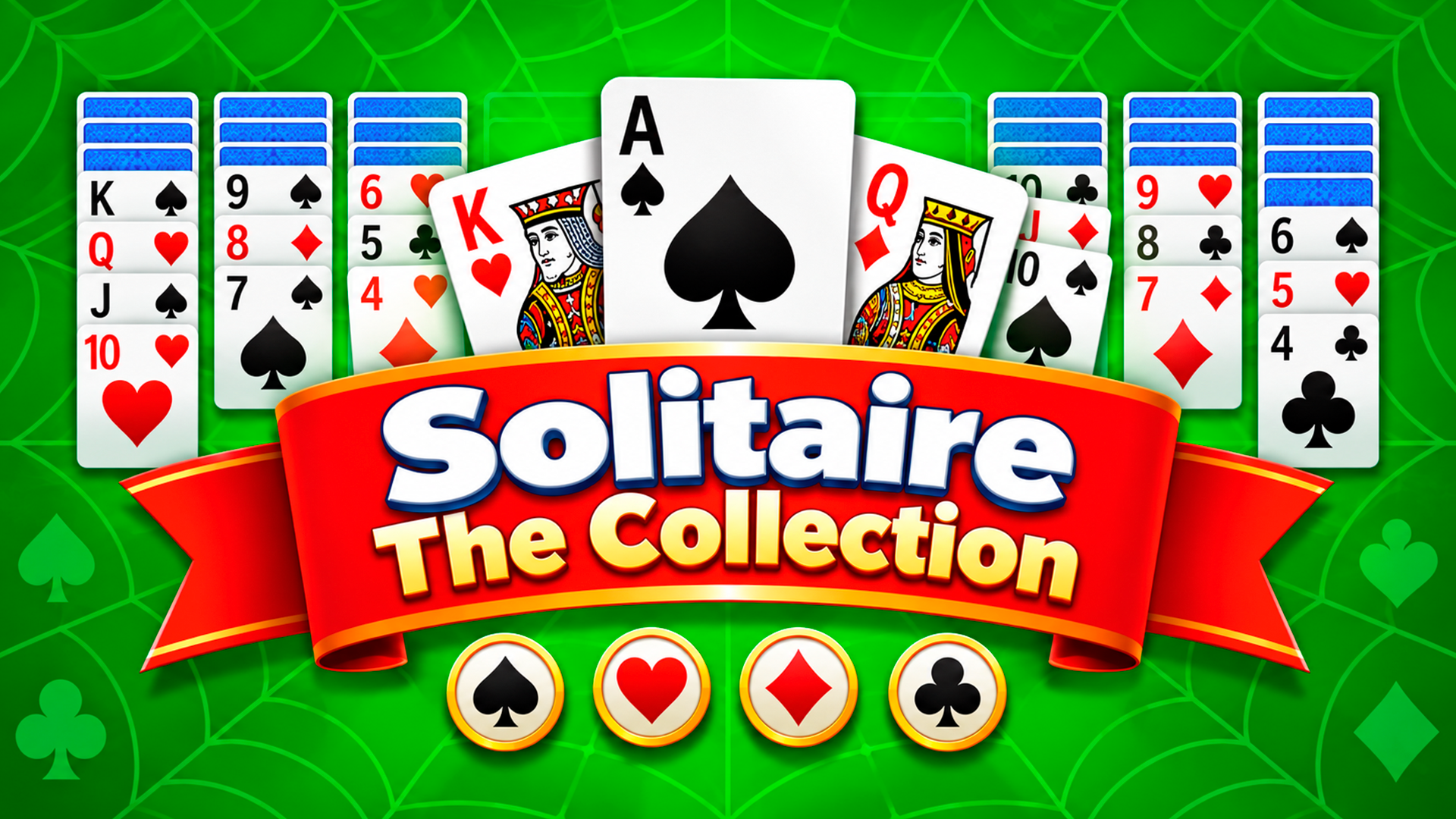
Solitaire The Collection takes a wider route. It offers 33 card games, and daily challenges and journeys with quests add goals, along with keys, postcards and achievements. It saves progress automatically, and the game has no in-game purchases. Play it in landscape on a phone.
The site itself does not save your game progress or anything you buy. That stays inside each game.
What if you want convenience over story?
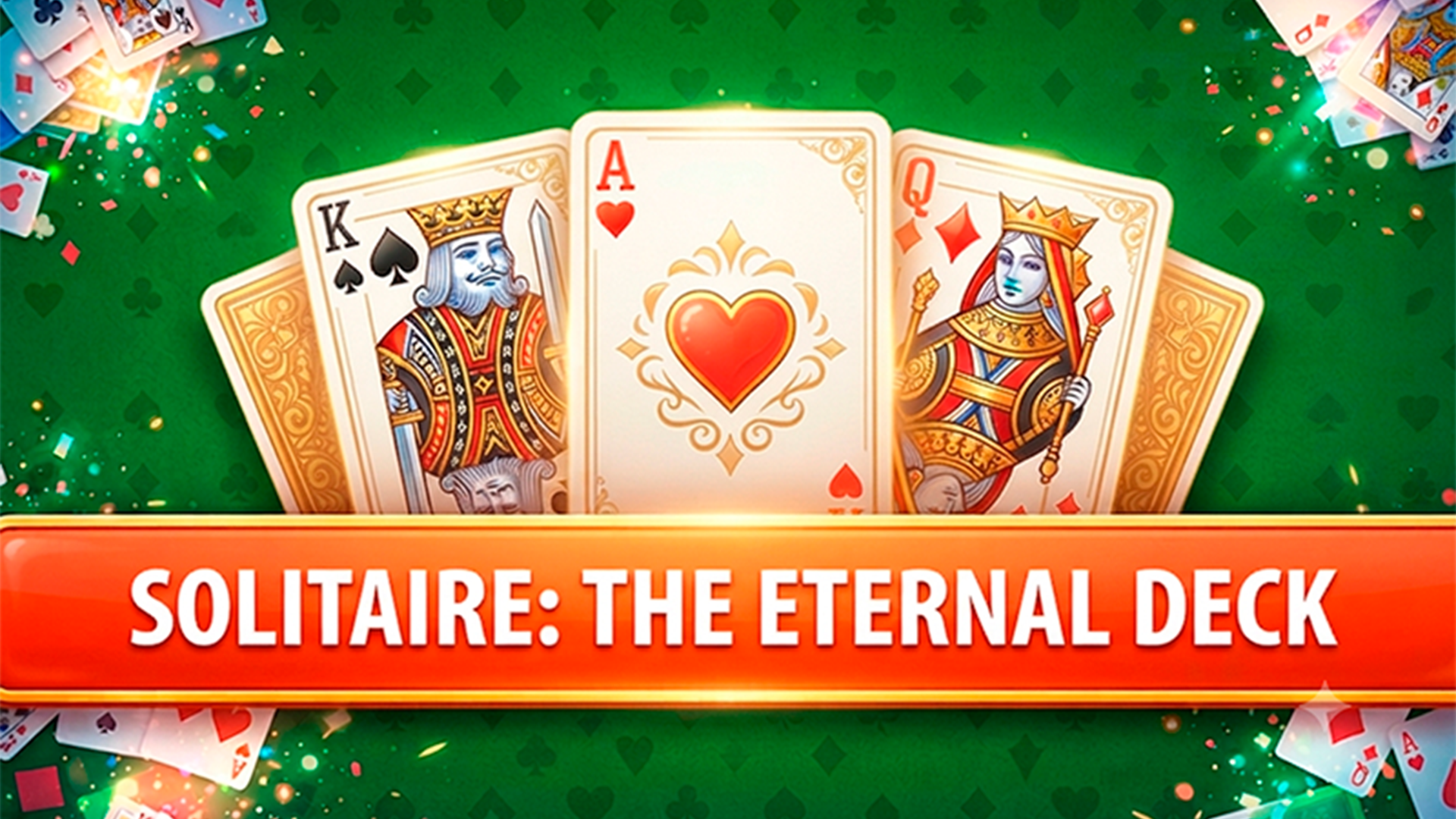
Solitaire: The Eternal Deck keeps the classic rules and adds comfort. It offers unlimited undo, a single tap that runs the correct move for you, and auto-complete once every hidden card is revealed. Its deal system aims for a higher chance of success. The game includes optional in-game purchases, and the game itself opens free in your browser.
It has no map or plot, which makes it a good control group. Play a few rounds of it, then a round of Crime Stories, and you will feel exactly what the story layer changes.
Where should you start?
If you like mystery, start with Crime Stories and follow the first case. If you like fantasy, open Emerland Solitaire and recruit your first assistant. If you want classic cards with a light theme, choose Treasure Island. All of them sit in card games, and adventure games lists more with a plot.
Games in this guide


Related categories
More guides
See all- Word Games Explained: Search, Crosswords and Word Solitaire
Five kinds of word game, what you actually do in each, and which of eight games shows the style best.
- How to Play Mahjong Solitaire: Free Tiles and Pairs
The free-tile rule, how to pick pairs and clear a board, plus five variants that change how tiles link.
- Triple Tile Match Games: How They Differ From Mahjong
Sets of three, a limited tray and layered piles: how triple-match tile games work and where they part ways with mahjong.