Triple Tile Match Games: How They Differ From Mahjong

Mahjong removes tiles in pairs. Triple tile match removes them in threes, and it usually gives you a tray with room for only a few tiles. That tray is the whole game. This guide compares the two rule sets, shows the main triple-match styles, and explains why a board gets stuck.
For the pair rules, read the mahjong solitaire guide. The games below appear under mahjong games and match-3 games.
Pairs or triples: what is the real difference?
In mahjong you pick a free tile, then its twin, and both leave the board. In a triple game you tap one tile at a time, each tile moves to a tray, and three of the same kind vanish together. A pair game rewards finding twins. A triple game rewards managing space.
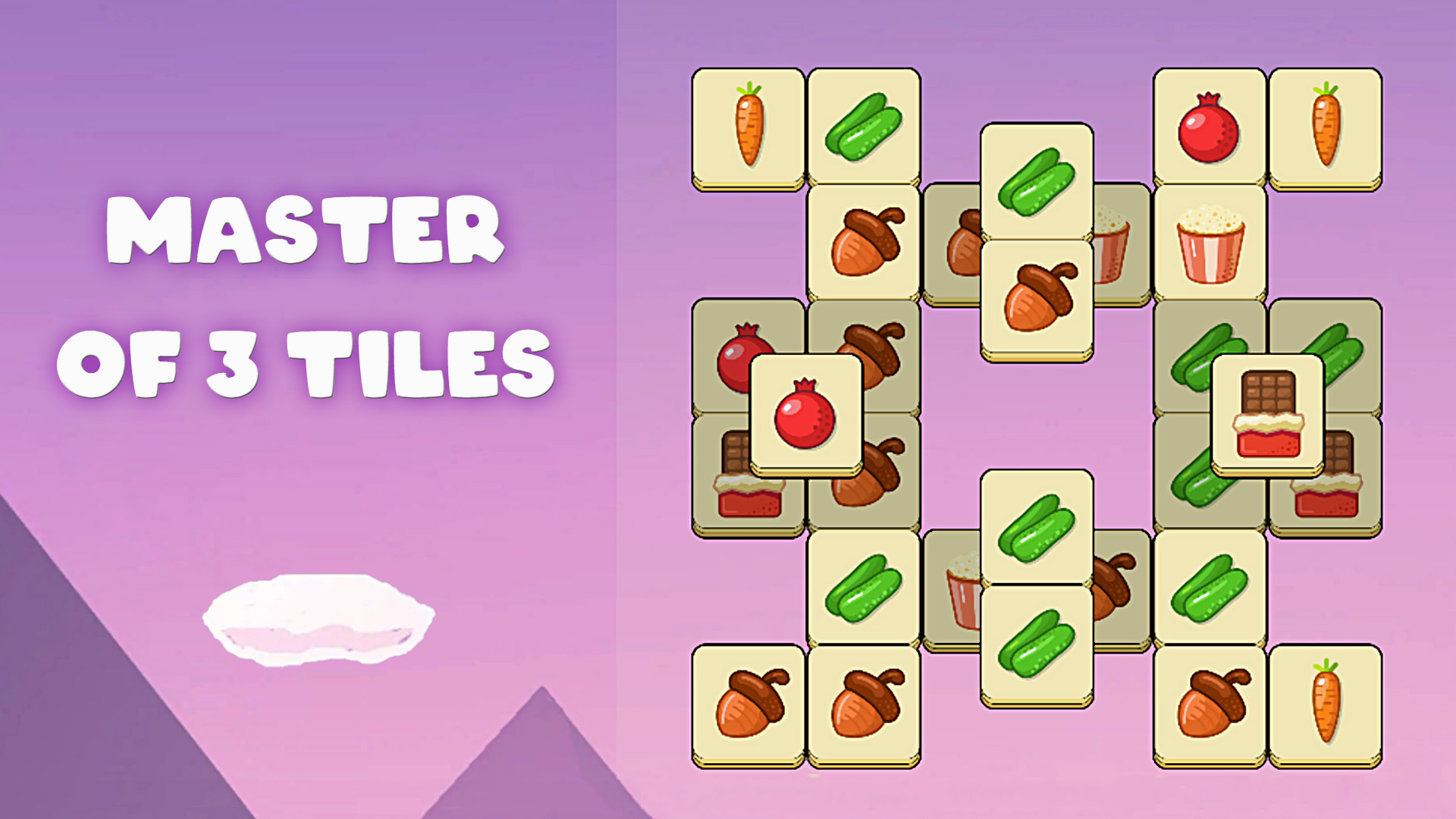
Master of 3 Tiles is the simplest case. You match identical tiles three at a time, clear every tile and move on to a harder level. Its tip is to plan which sets of three to clear first so the board opens up. The game has no in-game purchases.
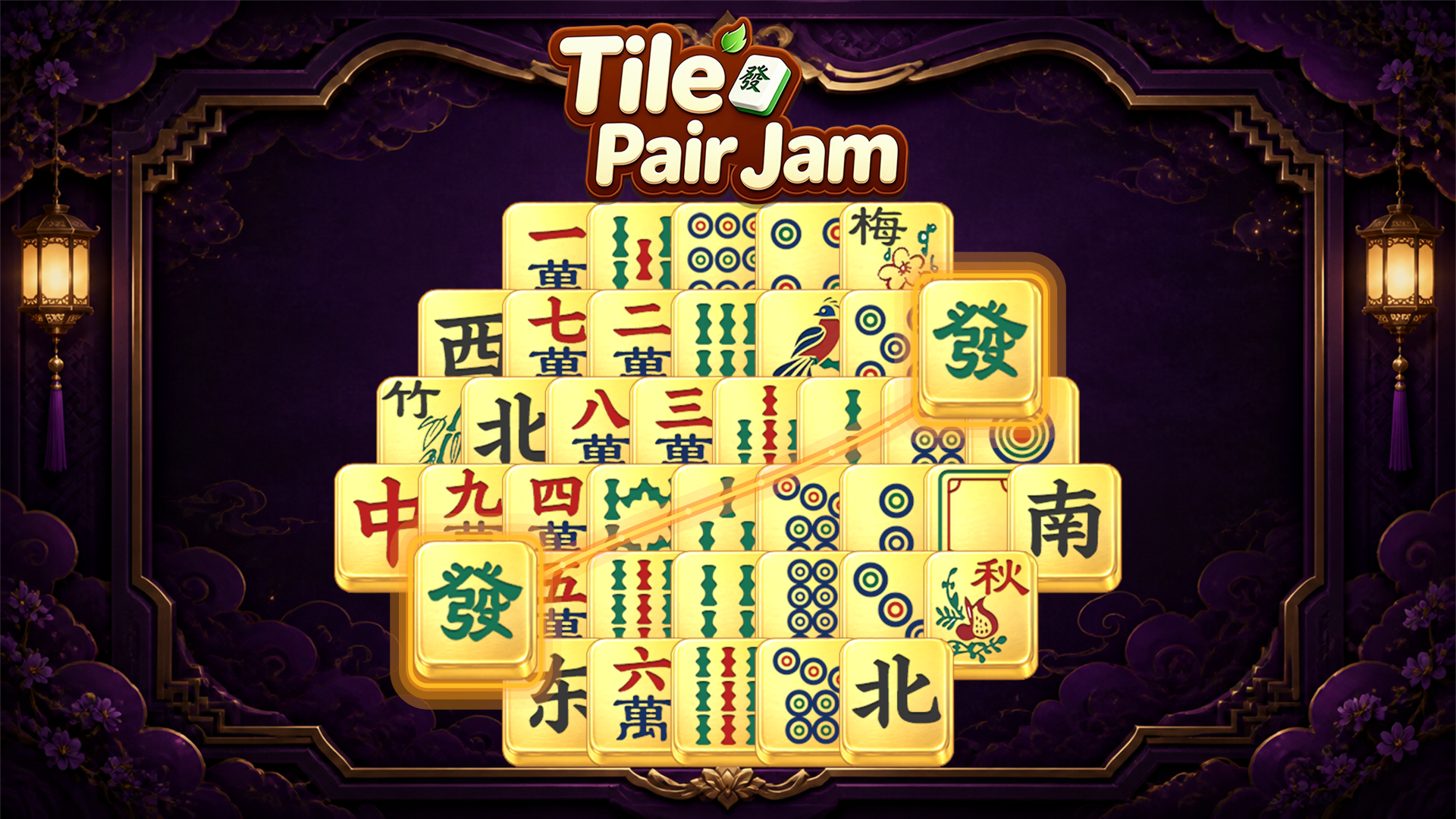
To see the contrast, look at Tile Pair Jam: Mahjong Master. It uses pairs: you slide tiles along rows and columns until two identical ones face each other with nothing between them. Tiles never move diagonally.
How does the tray limit work?
Every tap sends a tile into the tray. The tray has limited room, and a full tray with no match ends the level. Games name the space differently: a bar, a tray, a dock or a box.
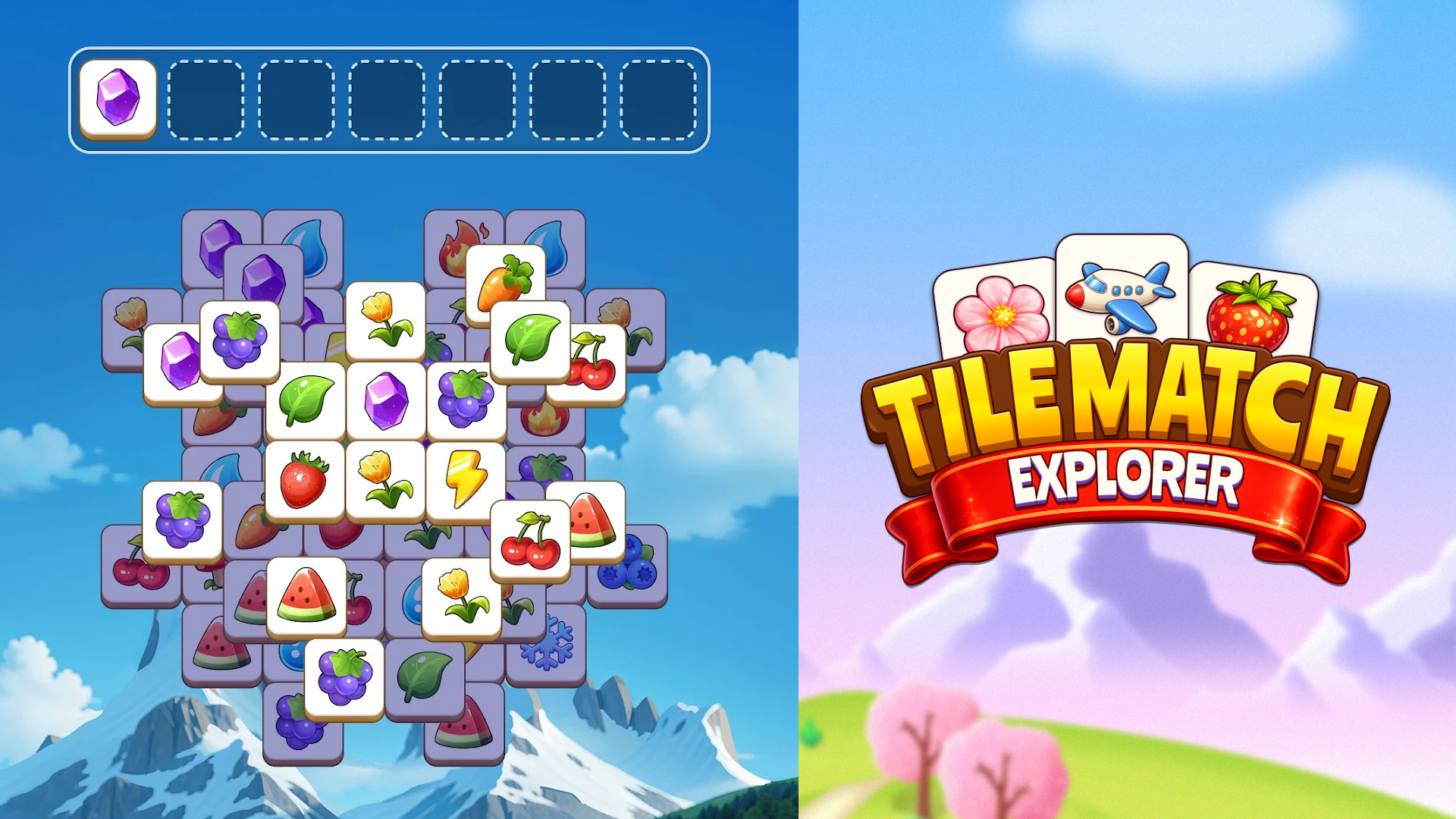
- Bar: In Tile Match Explorer you tap an open tile and it moves to the bar at the bottom. If the bar fills completely, the level may fail. Boosters and shuffle options help.
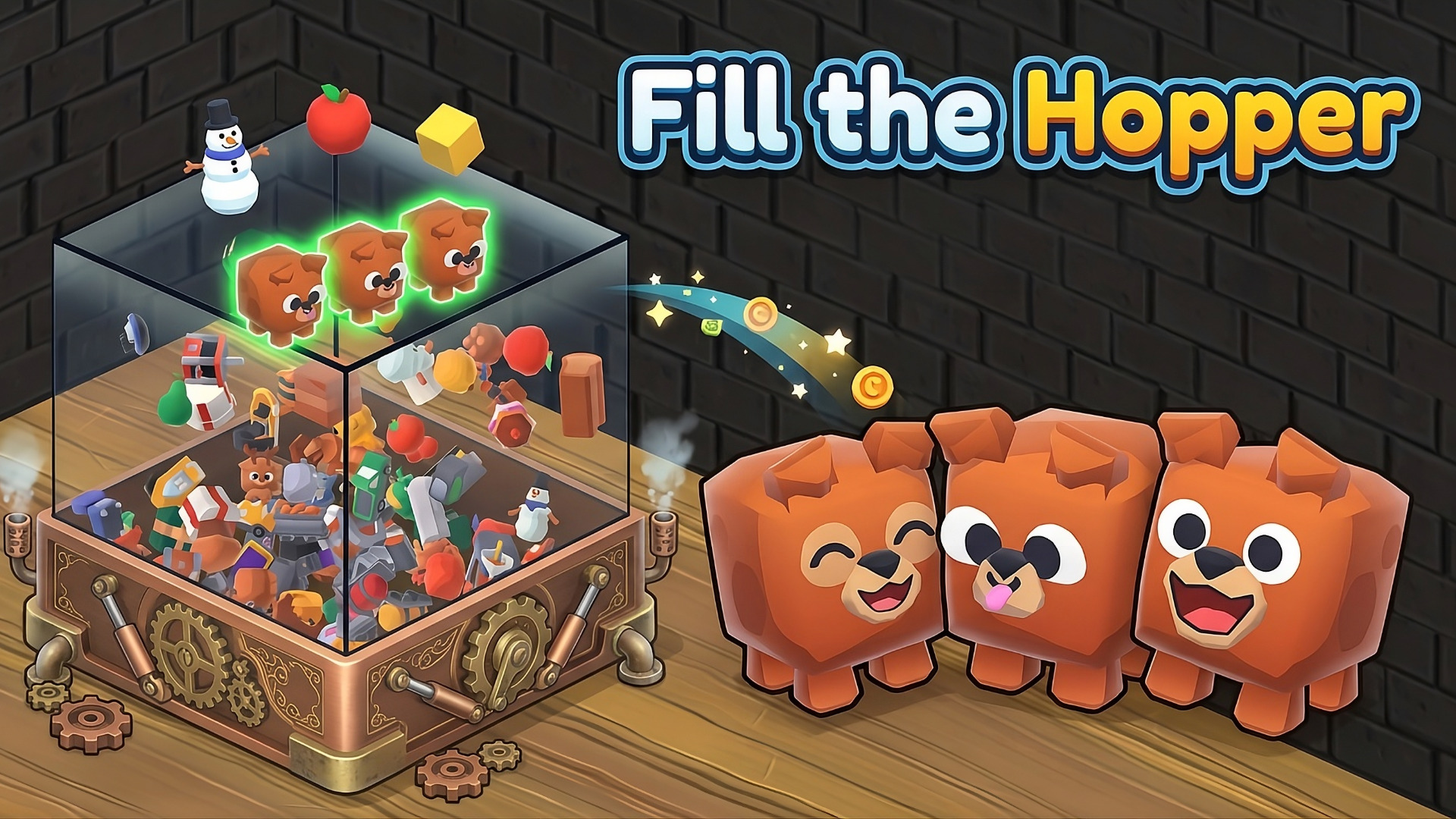
- Tray: Fill the Hopper is a 3D triple-match puzzle with real physics, where a full tray with no match loses the level. Boosters can undo a move, magnetize a matching set, add tray space or shuffle the pile.
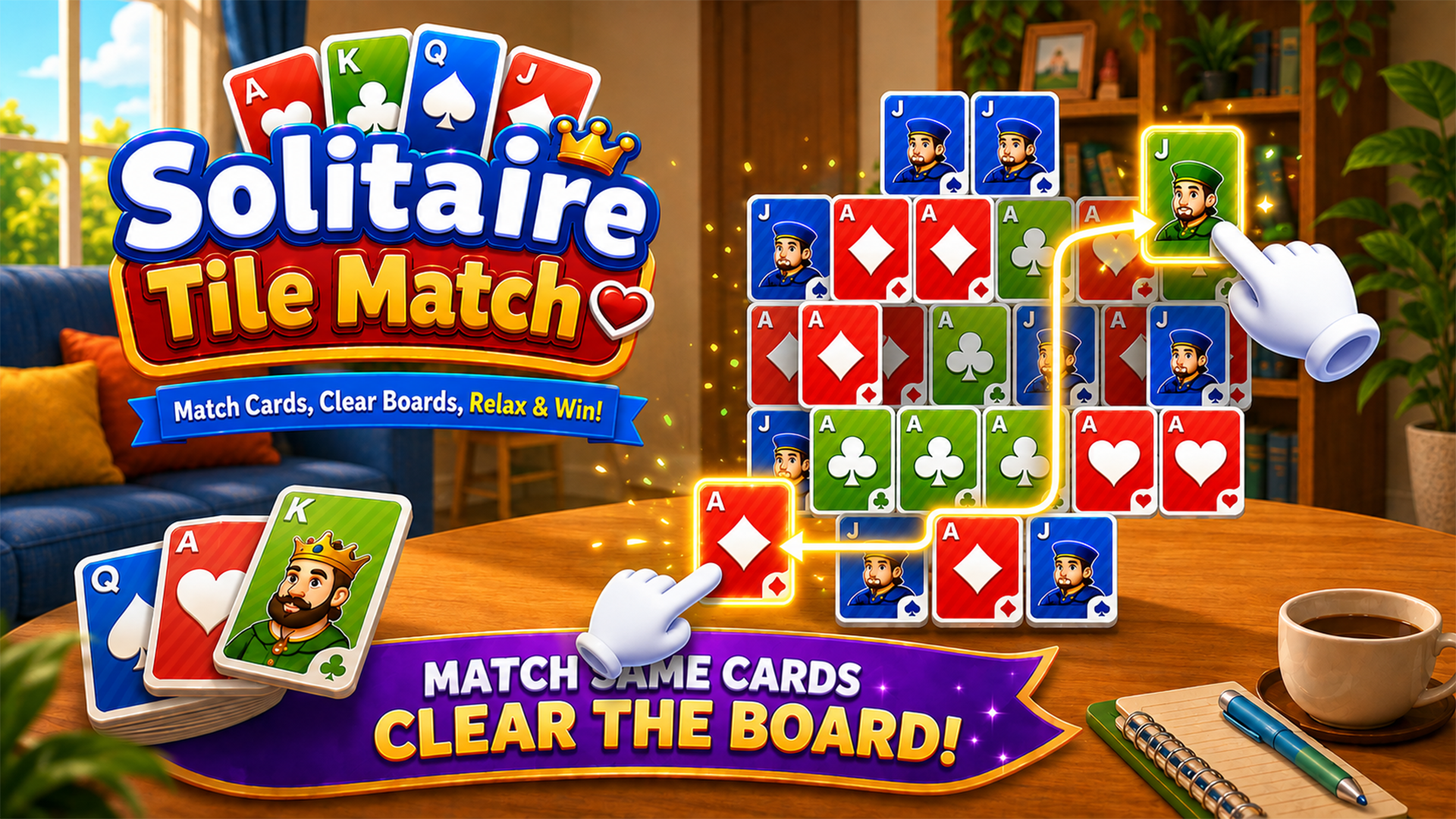
- Dock: Solitaire Tile Match sends tiles to a dock. Undo, shuffle, hint and extra dock space are available as power-ups. The game has optional in-game purchases, and it launches free from your browser.
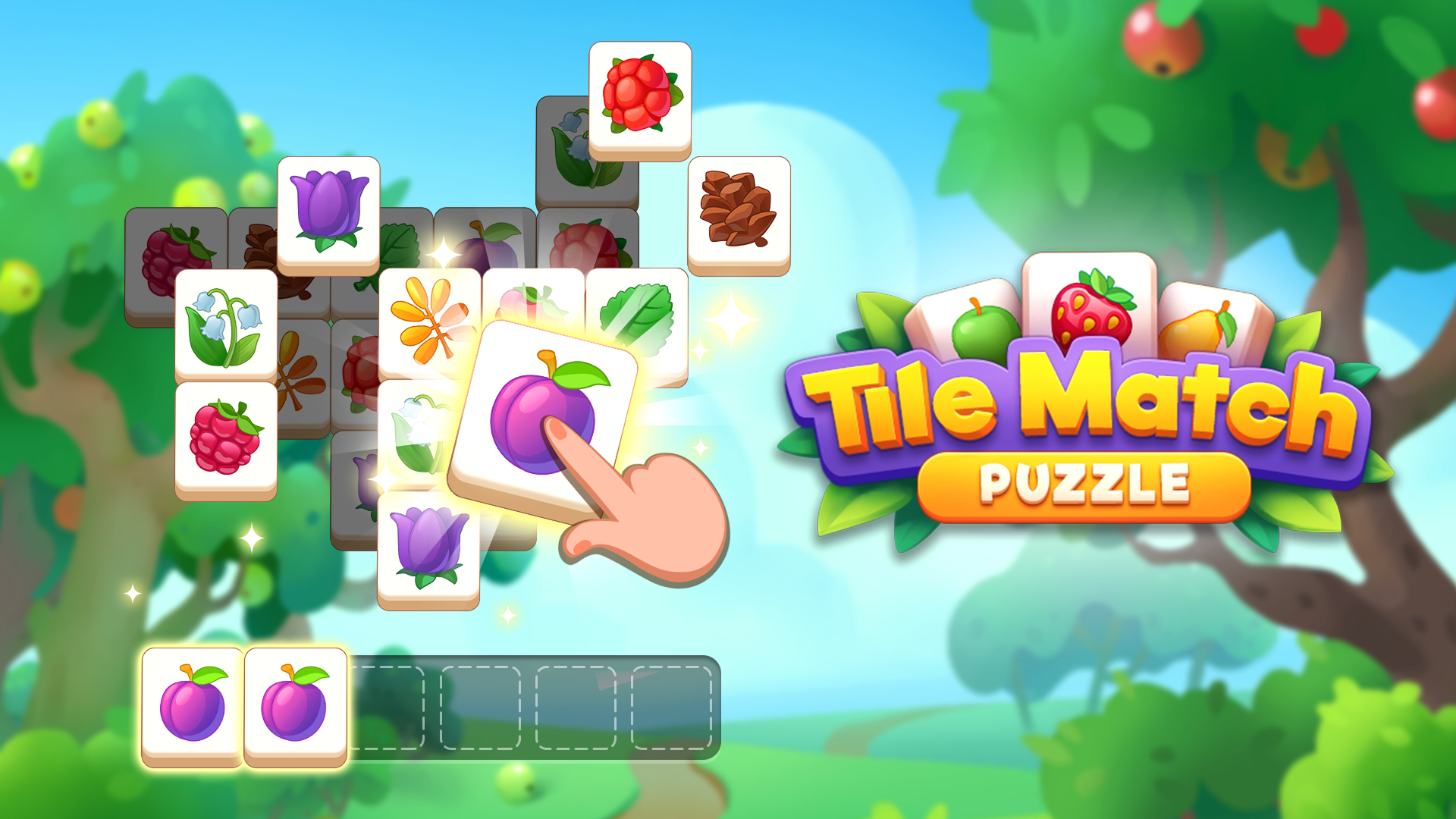
- Box: Tile Match Puzzle lets you place tiles in a box and clear three or more. Select too many tiles without matches and you have to start over. It offers optional in-game purchases and starts free in the browser.
What about layered piles and animals?
Some games stack tiles in layers, so clearing the top reveals new tiles beneath. Happy Zoo: Mahjong Triple Match swaps tiles for animals and clears layered pyramids by sending animals to a tray. It has four zoo themes with 130 handmade levels and 30 animal species to find. It offers optional purchases, and the game opens free in your browser.
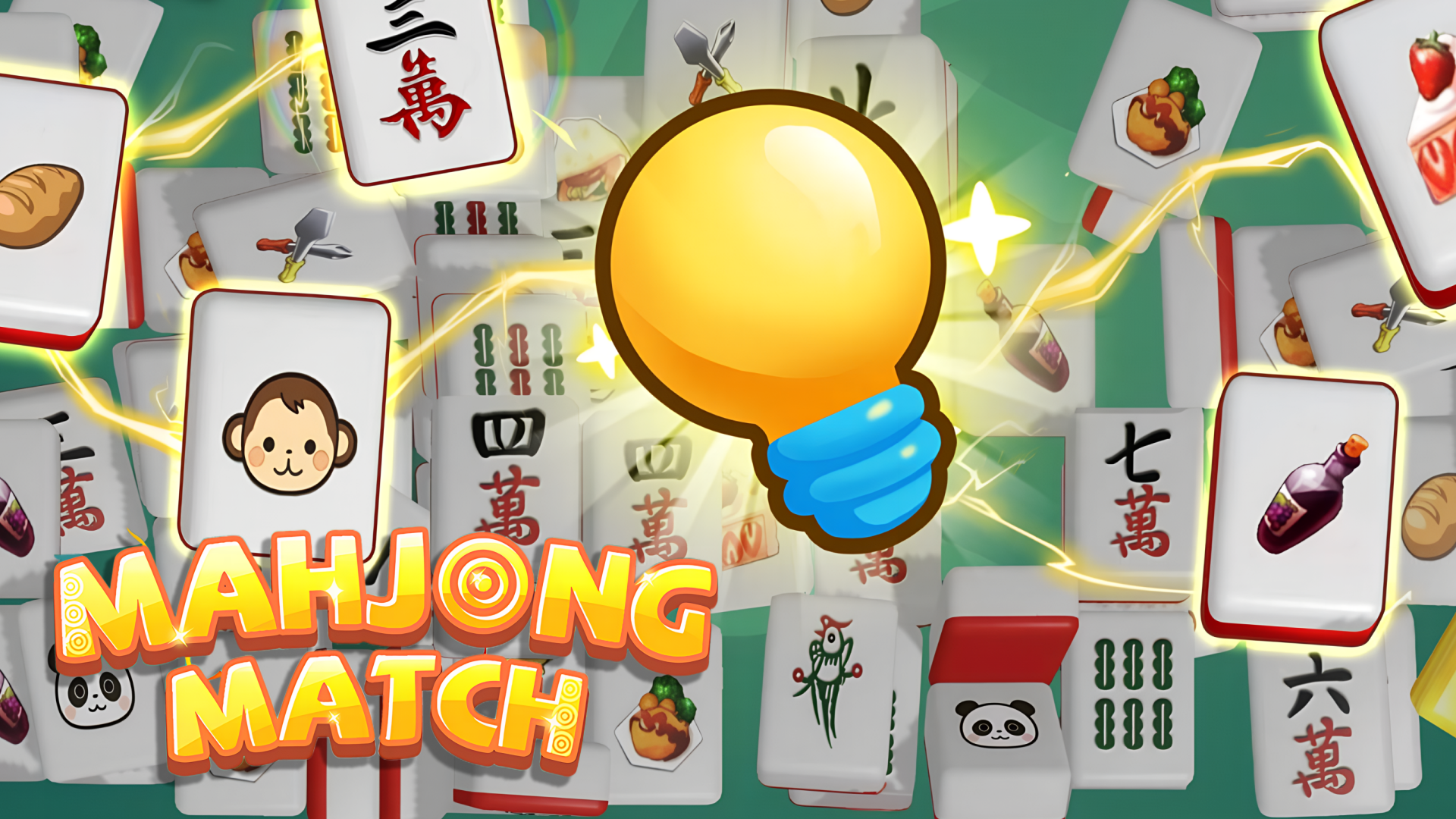
Mahjong Match borrows mahjong tiles and match-three rules. You clear the board by matching three of the same color. Its tip is to plan a few matches ahead, since each match changes which tiles you can reach next. On a computer the game shows a tall portrait view.
Why do runs get stuck?
Almost every failed run comes from the tray. You tapped tiles that did not pair up, and the tray filled. Three habits prevent it.
- Watch the tray before each tap, not after.
- Pick a set of three that frees other tiles before a set that uncovers nothing.
- Keep undo or shuffle for the moment the tray is nearly full, instead of using them early.
In layered games, clear the tiles that cover many others first. They reveal more combinations. In a physics pile, save the shuffle for when the pile hides what you need.
Where should you start?
Start with Master of 3 Tiles to learn the three-at-a-time rhythm. Move to Tile Match Explorer when you want a visible bar to manage, and to Fill the Hopper if you like a looser, physical pile. The puzzle games page has more tile puzzles. Choose by the space you like to manage, since the rule is the same in all of them.
Games in this guide

Related categories
More guides
See all- What Is an Obby? Obstacle Course Games Explained
Obby means obstacle course: what you do, the four styles you will meet, and what to check before a first run.
- Steal-an-Egg Games: How the Sneak and Grab Loop Works
How the sneak, grab and run loop works in steal-an-egg games, and what separates six of them.
- +1 Speed and Strength Games: How Training Obbies Work
How +1 training games turn a growing stat into new zones, with seven examples from speed to digging.