Rebirth and Prestige Explained: Why Games Reset Your Progress
A rebirth is a deliberate reset. The game takes back part of your progress, usually the money or levels of the current run, and gives you a lasting bonus so the next run goes faster. Prestige is another name for the same idea. This guide explains what resets, what stays and how to judge the right moment.
The six games below use rebirth or prestige, and they sit in idle games, obby games and arcade games.
What does a rebirth actually do?
Think of it as a trade. You give up the slow, late part of a run, and you receive something permanent. The permanent part might be a multiplier, a collection or a set of upgrades. After the reset the early game returns, but you move through it much faster than the first time.
Names differ from game to game. One game says rebirth, another says prestige, and a third lets you do both. The shape is the same, so what matters is the list of what you lose and what you keep.
What resets and what stays?
Only some descriptions spell this out, so here is what each one says.
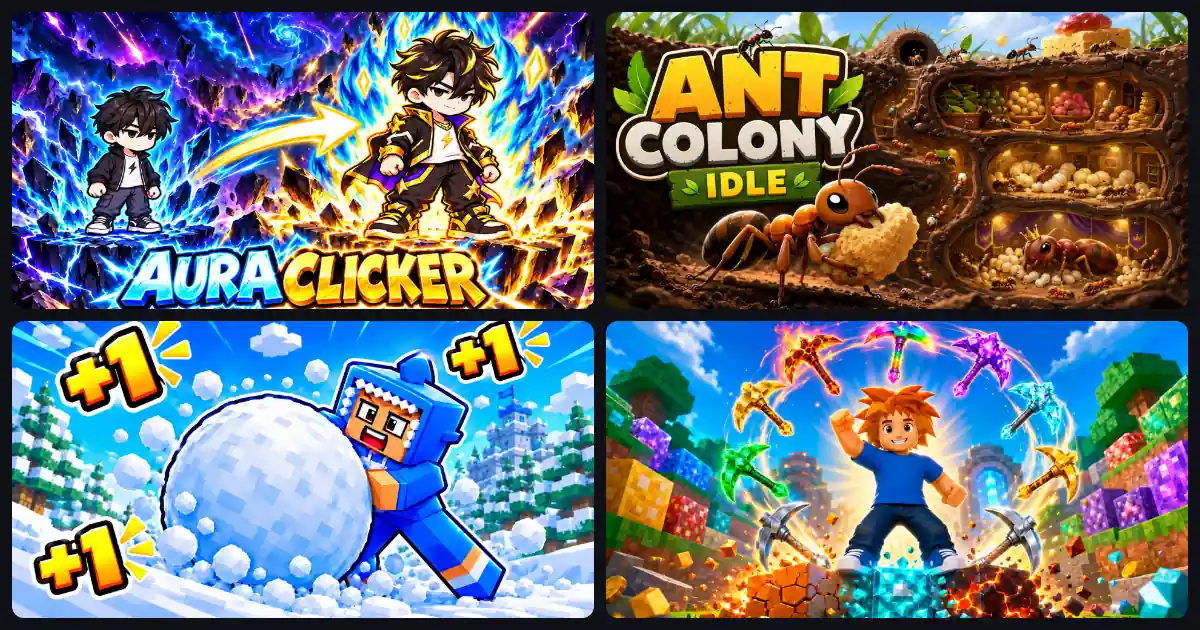
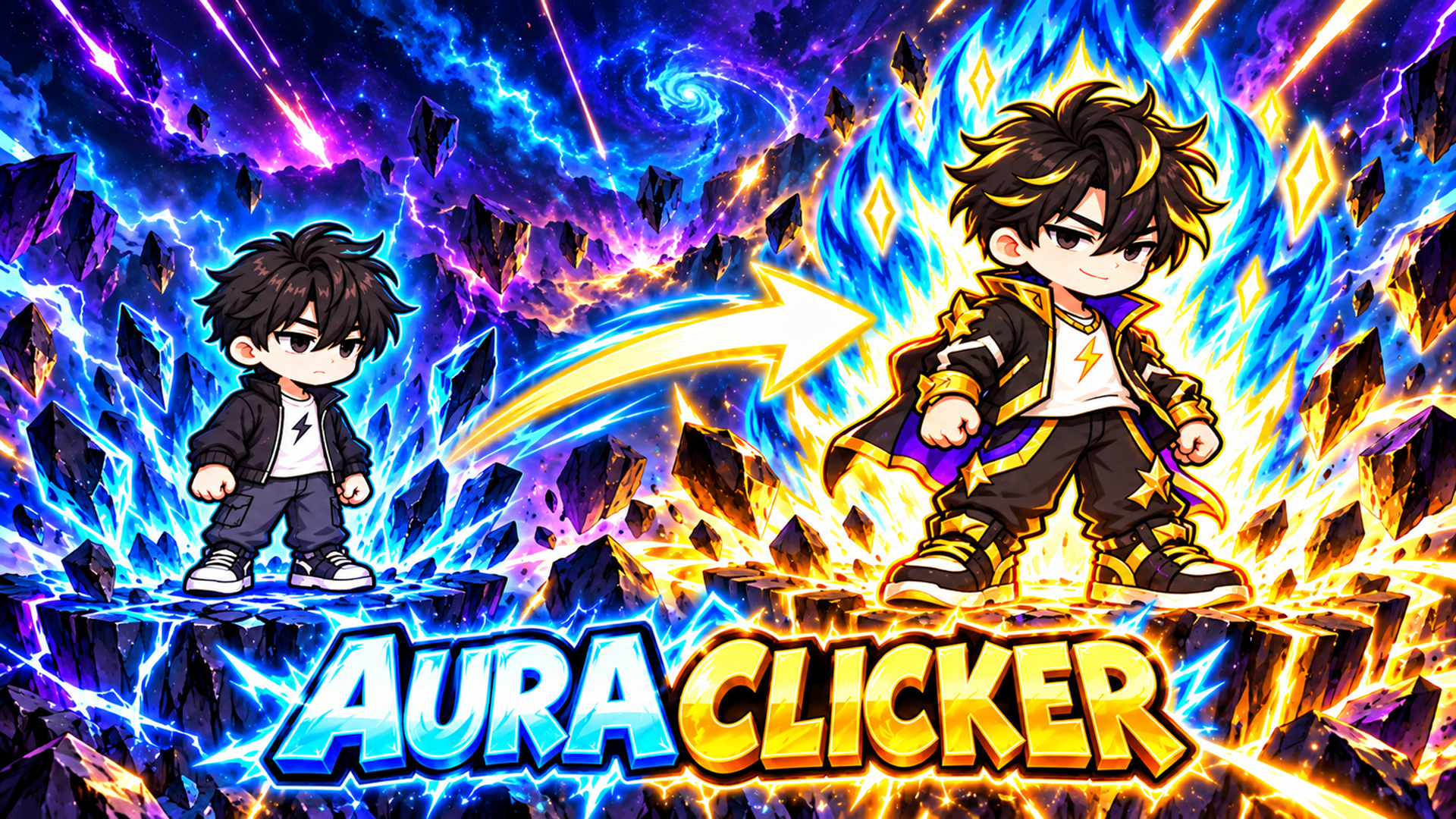
- Aura Clicker is the clearest. Its answer to the rebirth question: your aura, rank and upgrades reset, while your pets, unlocked heroes and prestige remain.
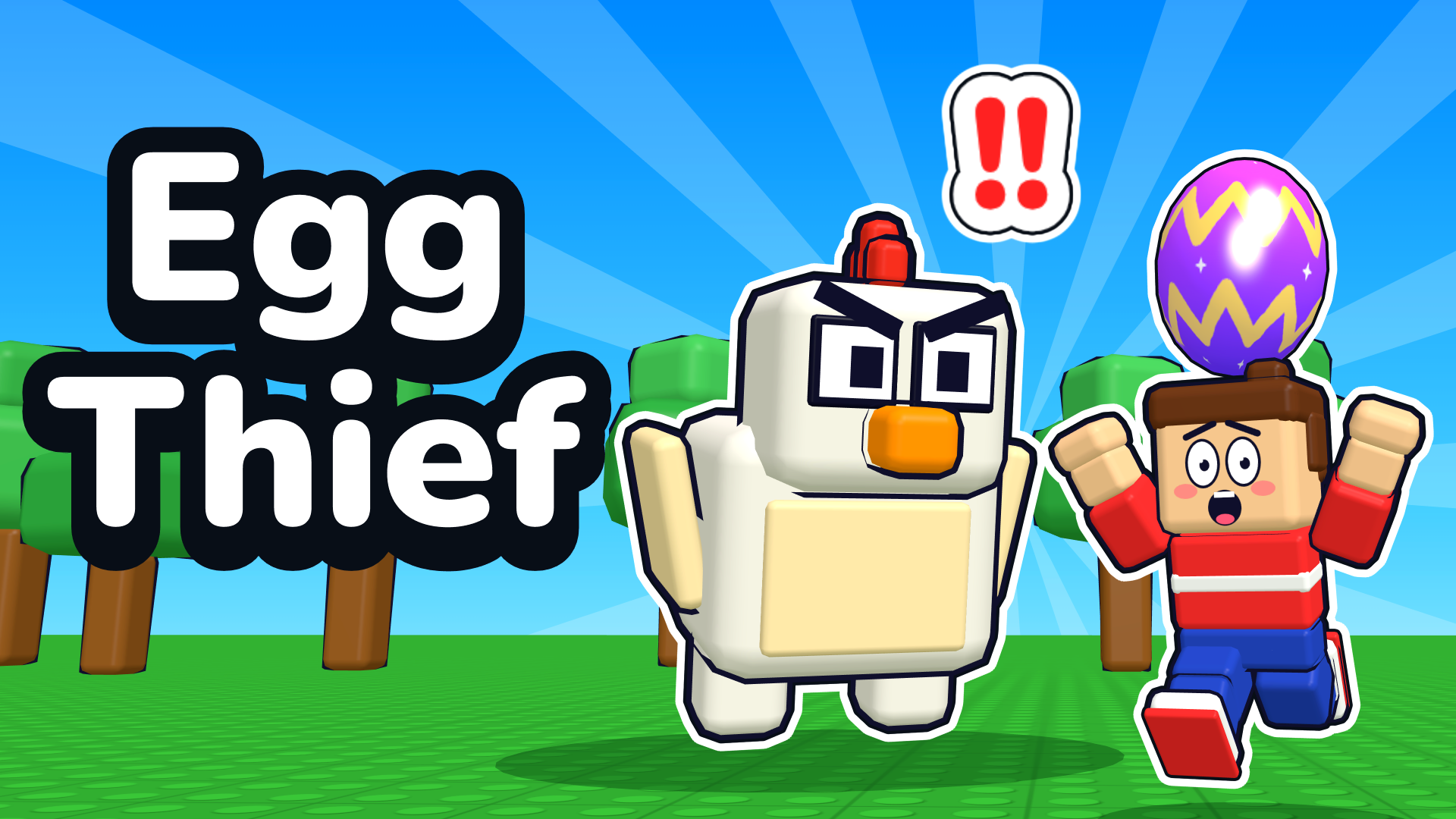
- Egg Thief starts a new world with patrolling guardians after a rebirth. Your collection comes with you, and the aim is to reach Cosmic rarity.
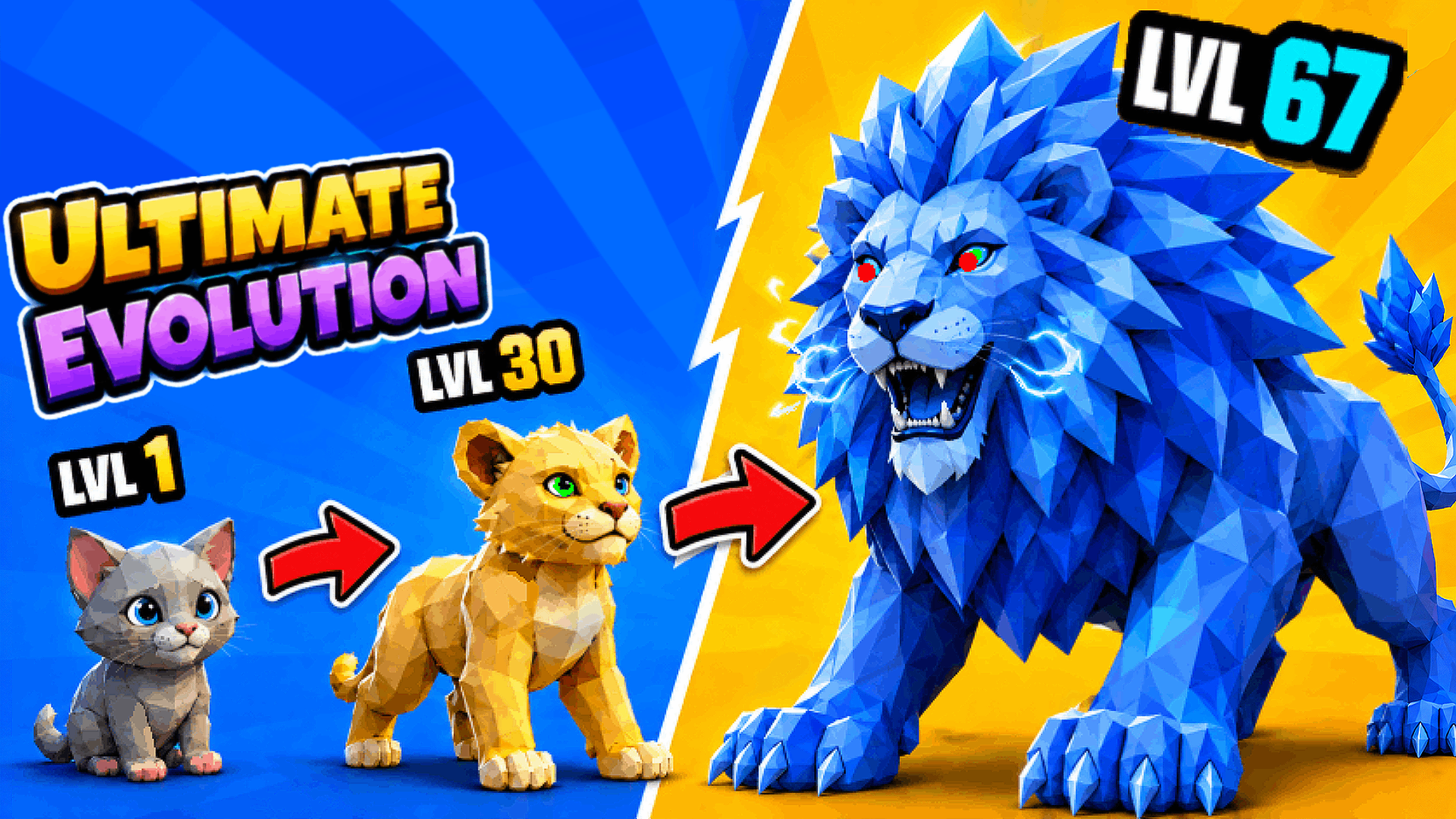
- Ultimate Evolution leaves permanent DNA upgrades behind after each rebirth. The game offers optional in-game purchases. You spend EVO points in the Evolution Tree afterward.
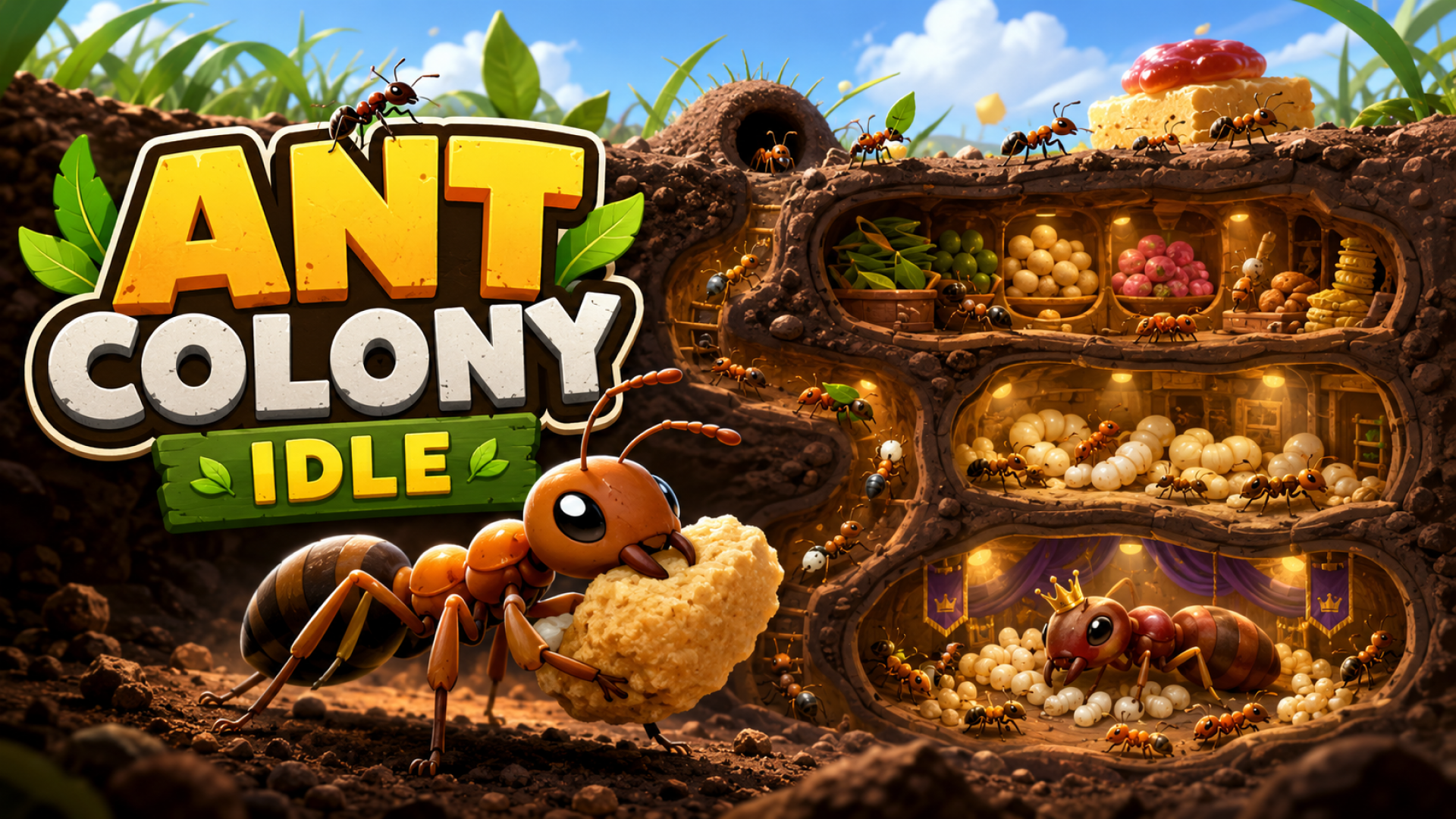
- Ant Colony Idle uses the word prestige. It restarts you with strong bonuses so the colony grows faster.
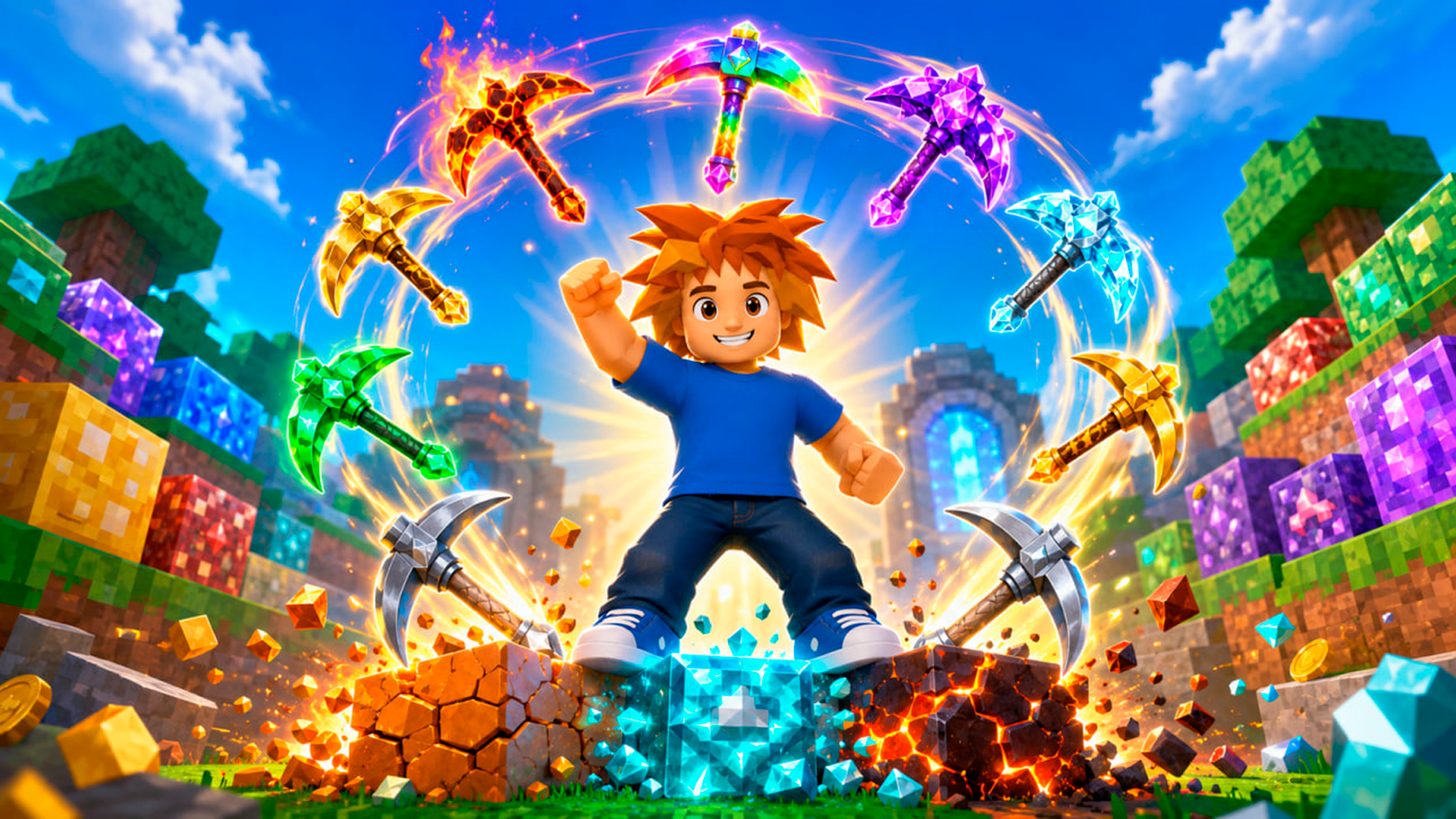
- Snowball Rush and +1 Pickaxe Hit: Break Blocks say less. The first calls Rebirth a stronger restart, and the second says it boosts your progress. +1 Pickaxe Hit: Break Blocks also has optional purchases, and it is free to play.
For those last two games, open the rebirth menu and read what it promises before you confirm. +1 Pickaxe Hit: Break Blocks puts it on the R key.
When should you rebirth?
The descriptions give four signals.
- Check the requirement first. Aura Clicker advises reading it on the rebirth button, because later rebirths need more aura.
- Wait until growth slows. Ant Colony Idle suggests prestige when progress stalls.
- Rebirth when the content gets hard. For +1 Pickaxe Hit: Break Blocks, that means the walls become tough to break.
- Evolve first. Ultimate Evolution pairs the two: evolve, then rebirth to keep the DNA upgrades.
A reset pays off when your next run will clearly be faster than staying put. If you are still gaining quickly, wait.
Why do games use resets at all?
Without a reset, a long game can run out of choices once the numbers get large. A rebirth brings back the early game, where choices matter, and attaches a reward to it. It turns one long grind into several shorter runs, each stronger than the last.
Obby games such as Snowball Rush fit this well, because a run down an icy track is short and easy to repeat.
Where should you start?
Begin with Aura Clicker, since its description states plainly what you lose and keep. Move on to Egg Thief if you want a stealth game around the same idea. If you like climbing a ladder of stats, Ultimate Evolution adds a tree of mutations to the reset. Keep the first rebirth small. See how much faster the next run is, then decide how often to repeat it.
Games in this guide

Related categories
More guides
See all- How Online Multiplayer Works in Browser Games
How online play differs from sharing a screen, what five game descriptions say about other players, and what to expect.
- How Two-Player Games on One Device Work
Shared keyboards, passed phones and one-key duels: how two-player games on one device work, and which ones to try first.
- Games With No In-Game Purchases: What the Label Means
What the no in-game purchases label means, how to check it, and eight puzzle, arcade and sports games that sell nothing inside.