Survival Games Explained: Gather, Build and Last
A survival game asks you to keep someone alive while the world works against them. You watch a few gauges, collect what you need, make tools and build somewhere to rest. This guide explains that loop, compares six browser games that bend it in different directions and gives you a priority order for the first few minutes.
You will find these games in survival games, adventure games and strategy games.
What is the basic loop?
Almost every survival game runs on three beats. You gather raw materials, you turn them into something useful, and you use that to reach the next, harder place. Gauges for hunger, health or mood tell you how long you can wait before you must act.
The twist is what each game chooses to hide. Some bury the loop in a map. Some turn it into a budget. Some let you manage a whole camp instead of one person. Knowing which one you opened saves you from playing it the wrong way.
Which survival engine does each game use?
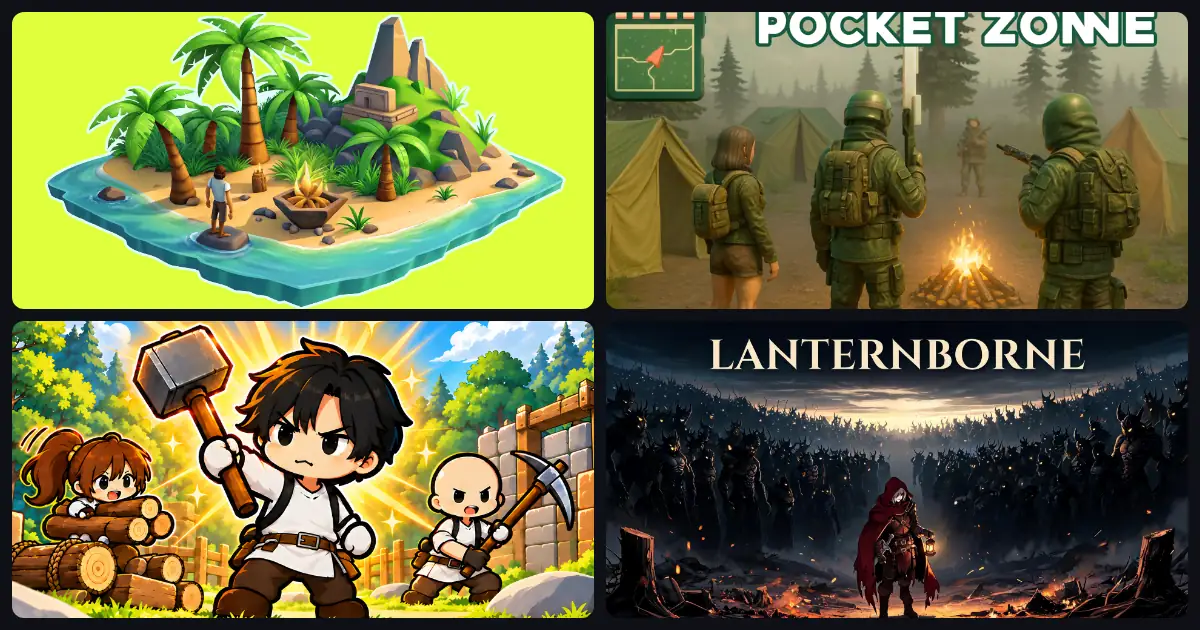
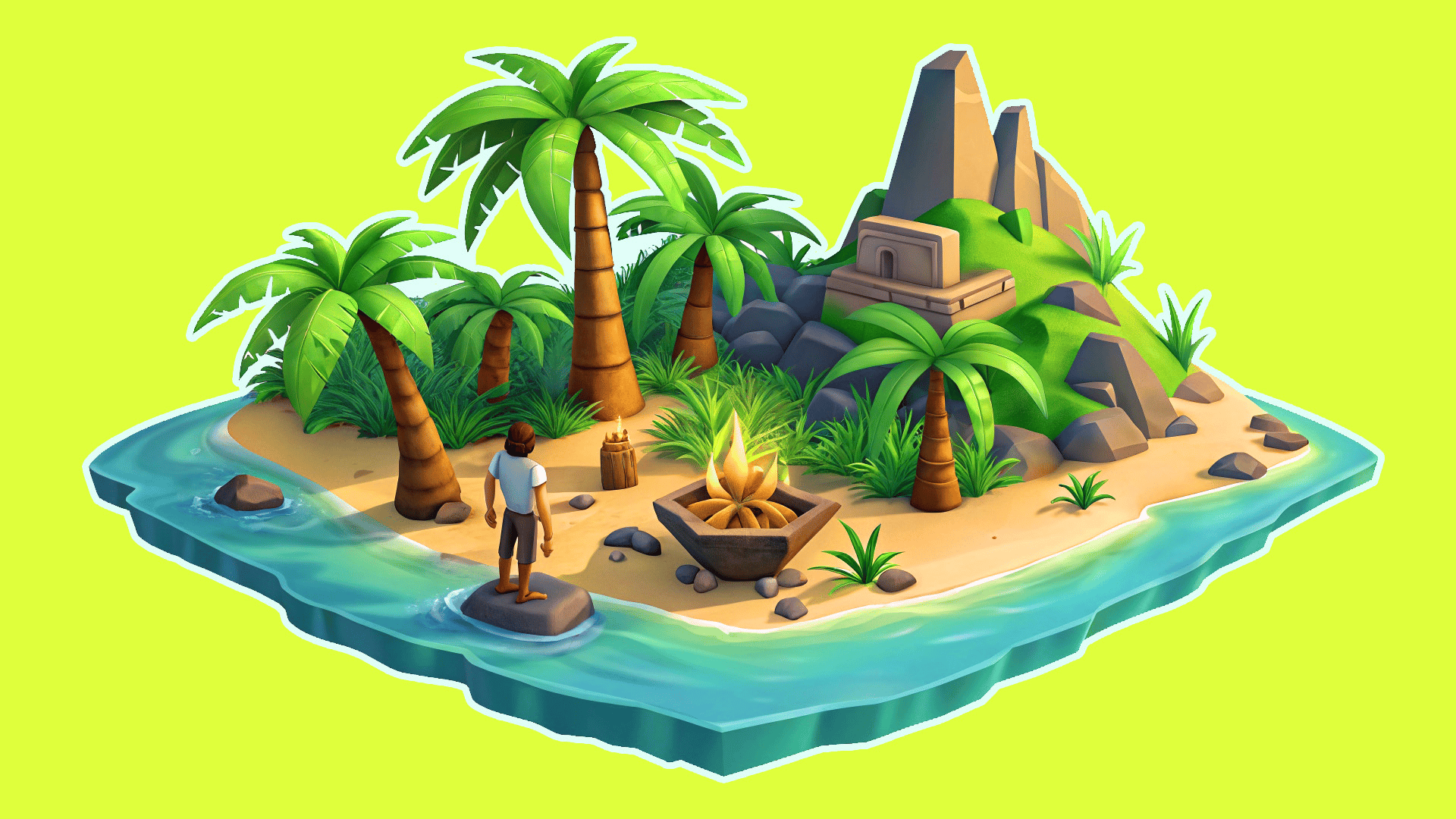
- Gather and craft: Desolate Isle: Survival strands you on a mysterious island. You collect resources, make tools, set up a base and finish quests that open new territories. Some objects respond only when you press the button that appears above them.
- Budget: Survival for 100 dollars is about making a small sum last. You look for work in a settlement, from unloading train cars to dubious errands, and you track hunger, health and mood together. If health drops to 0, the run ends.
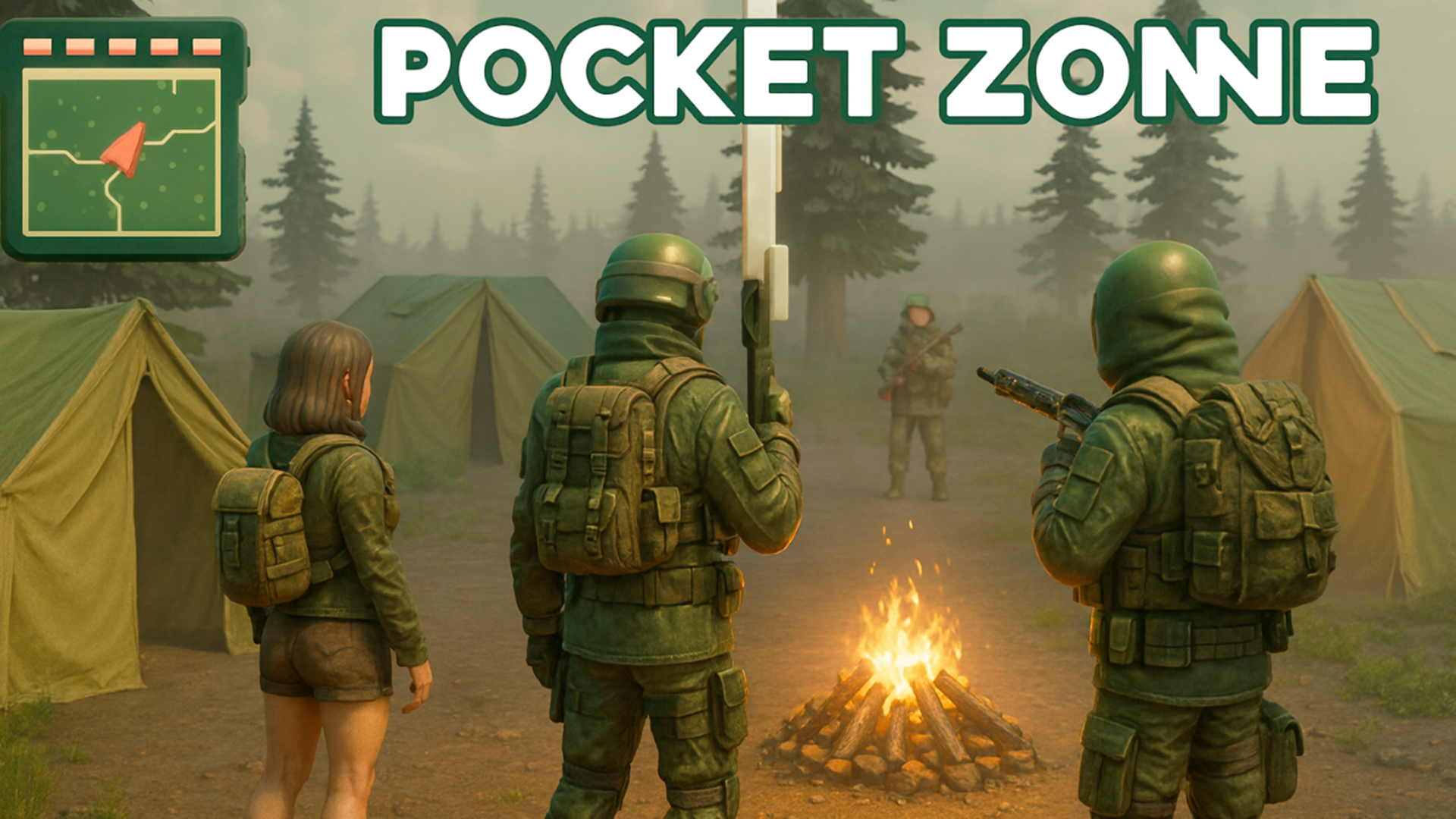
- Text events: Pocket ZONE is a survival RPG built from random events. You read each one, make a choice, and the outcome depends on that choice and on factors beyond your control. Weapons, armor and costumes change your odds.
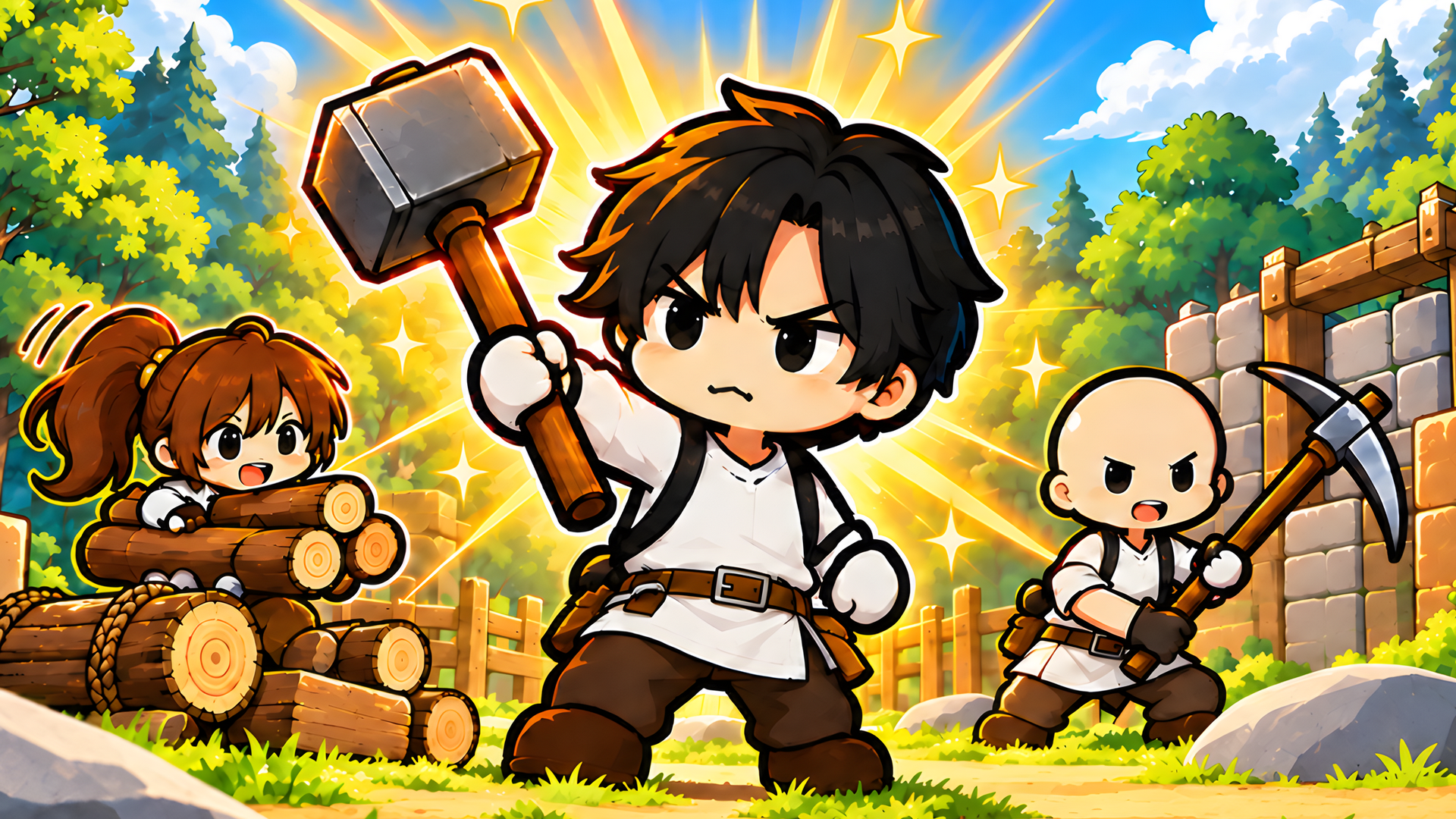
- Colony: Colonora: Colony Survival hands you a group of survivors on a wild planet. Each colonist has skills, needs and a mood, and one pushed too far may break down. You set work priorities so the daily tasks run themselves.
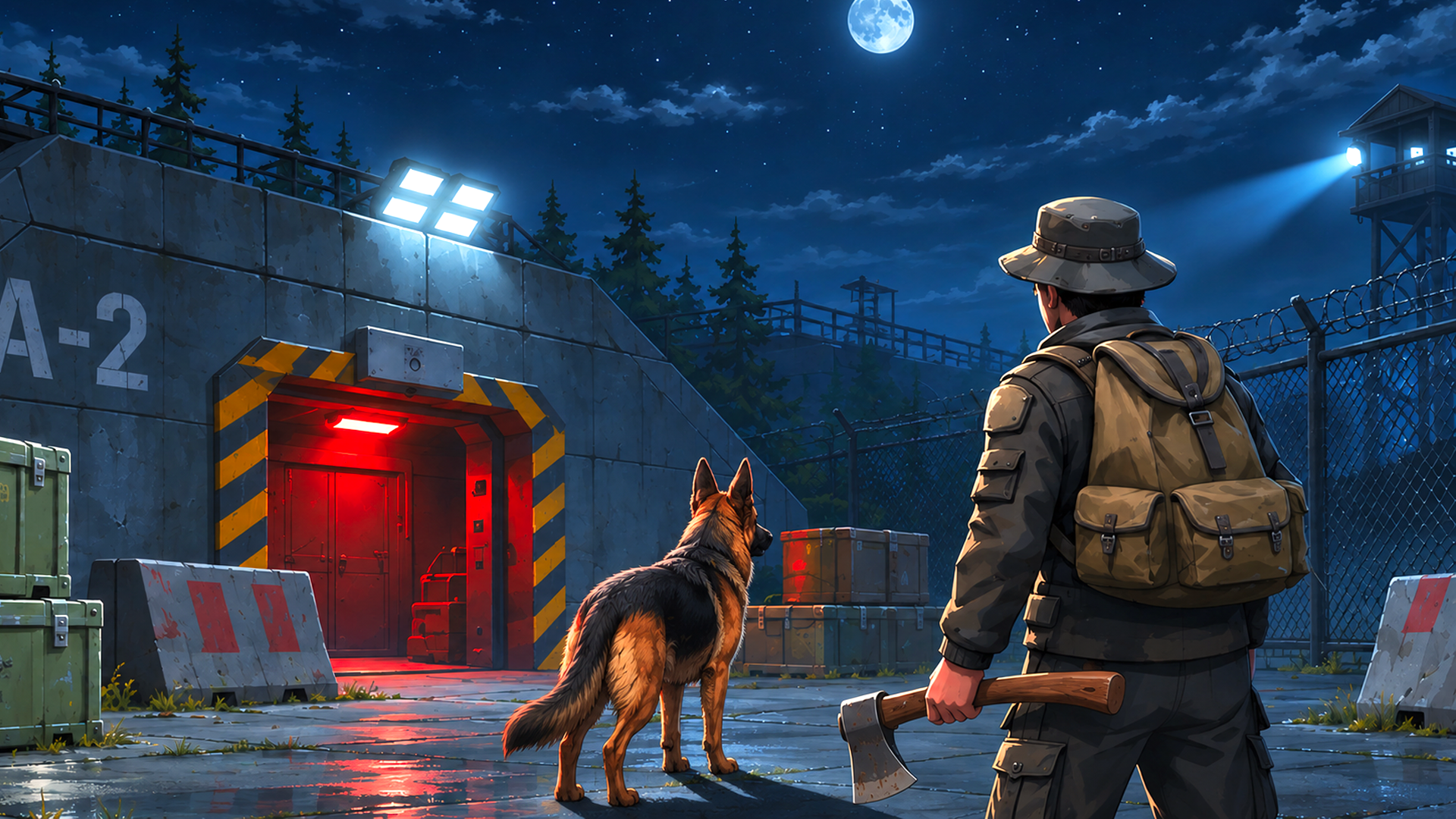
- Out and back: Dead Land: Survival loops between a shelter and the ruined streets beyond it. You leave the shelter for equipment, food and crafting materials, then return to upgrade your hero and rebuild. The game has optional in-game purchases and opens free, and you can team up with friends.
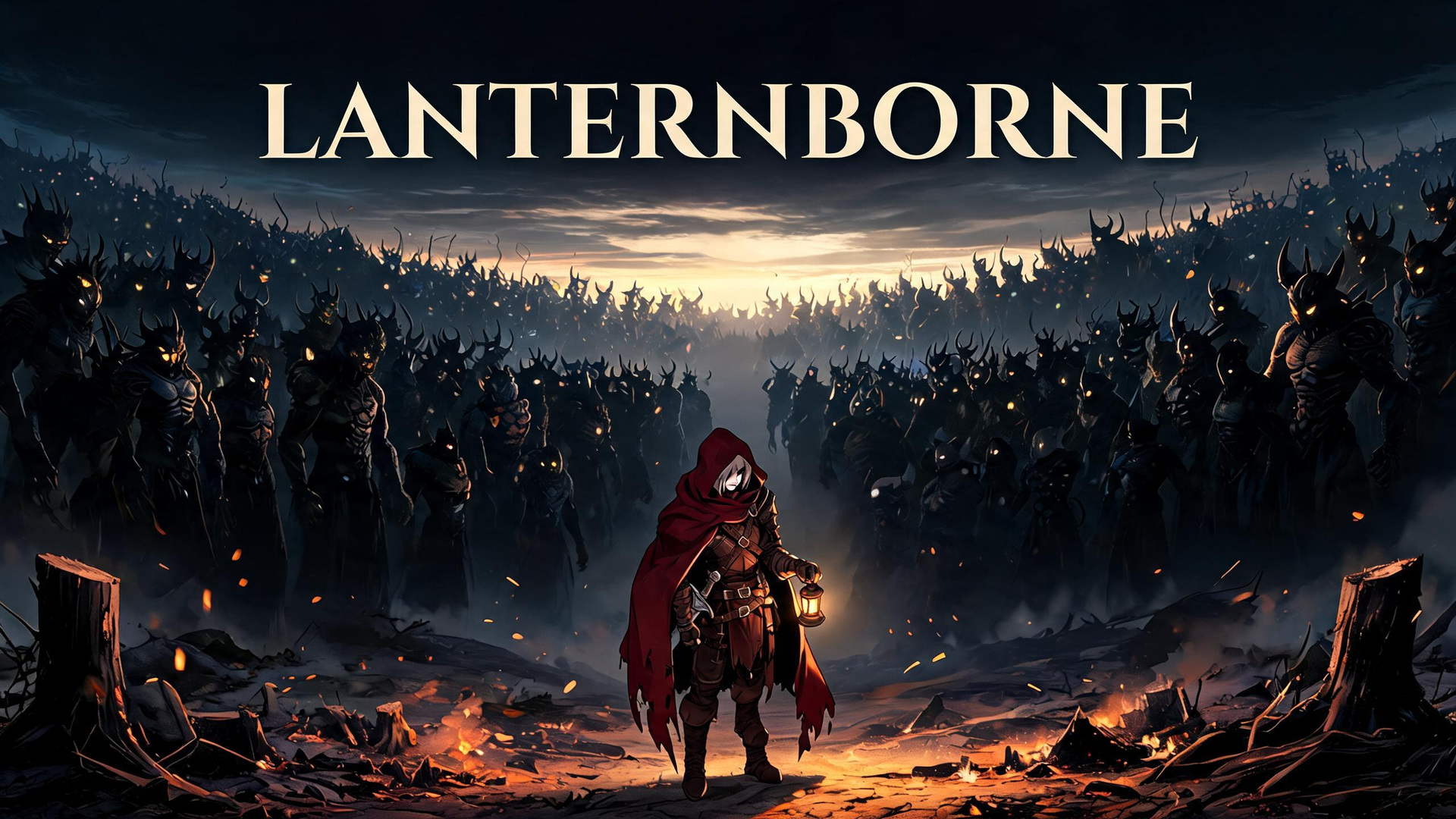
- Walk and relight: Lanternborne removes direct fighting. You steer a lamplighter named Ilan while his weapons fire at the nearest demon, and you relight every street lamp you pass, because the dark cannot spawn near a lit one. It has 100 levels across 10 cursed lands.
What should you do in the first few minutes?
Use this order in any of them. It comes straight from how these six games are built.
- Read the gauges first. In Survival for 100 dollars, spending is the danger, so look at hunger, health and mood before you click a job.
- Gather before you craft, and craft before you explore. Desolate Isle rewards this order, because the right tool is already in your hands when you reach a new area.
- Set up shelter and food early. Colonora lists shelter, food and gear among your first jobs.
- Check the people, not only the stuff. A colonist's mood matters as much as a stockpile.
- Keep odd items. Dead Land uses many of them for settler quests and building upgrades.
How do these games handle danger?
Danger comes in three forms here. In Pocket ZONE it is a risk you read in text. In Dead Land and Lanternborne it is a monster you meet outside the shelter or the lit road. In Colonora and Survival for 100 dollars it is slow pressure from needs you ignore. Choose by temperament: if you dislike combat, the budget and colony games ask only for planning. If zombies are what you came for, read zombie games compared as well.
Where should you start?
Open Survival for 100 dollars first. You only click, and one short run teaches how needs and money push against each other. Move to Desolate Isle when you want the classic gather-and-craft loop on a map. Choose Lanternborne for a lighter game where you only steer, and keep Colonora and Dead Land for longer sessions.
Games in this guide

Related categories
More guides
See all- Zombie Games Compared: Shooters, Defense, Driving and Tycoons
One theme, five ways to play it: what each zombie game style asks of you and who it suits.
- Sniper and Archery Games: How Aiming Works
Hold, line up, release: how aiming works across five sniper and archery games, and which to open first.
- Ragdoll Games Explained: Physics, Sandboxes and Challenges
What ragdoll physics means, why no two tries match, and how sandbox, puzzle, duel and mini-game styles differ.