Idle and Tycoon Games Explained
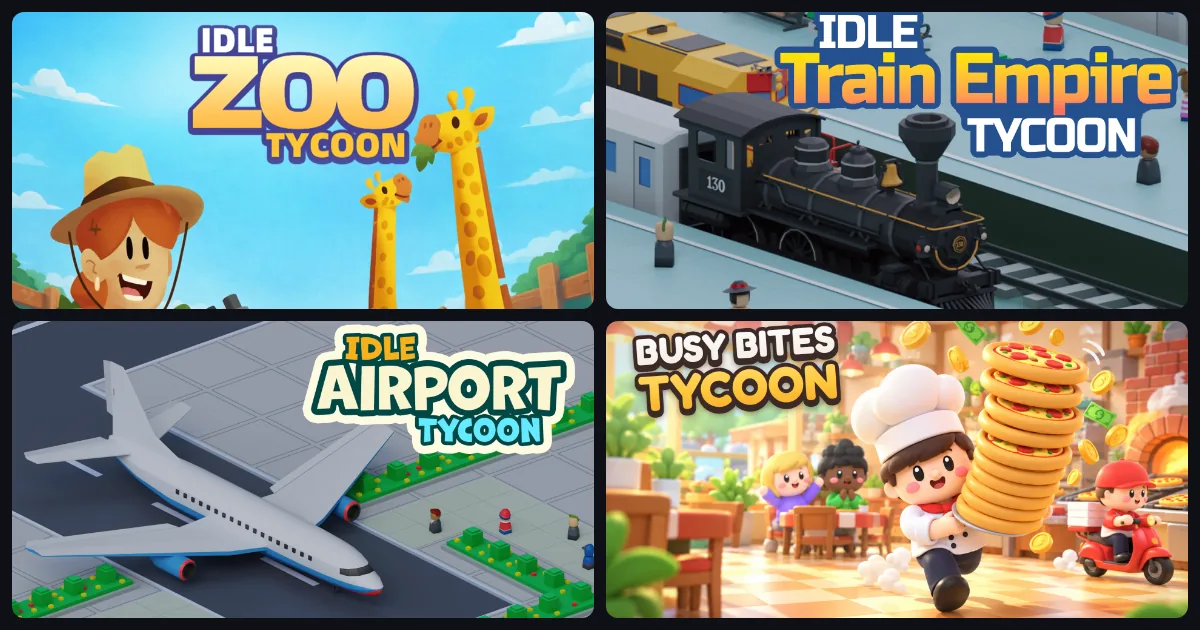
Idle and tycoon games share one loop: earn money, spend it on upgrades, and earn more. The differences show up in how much you do with your hands. Some games ask for an occasional tap. Others have you walk around a shop, carrying items and paying for new machines.
This guide explains the loop, the main styles, and a few habits that make any of them grow faster. The idle games and tycoon games pages list many more.
What is an idle game?
An idle game keeps earning even when you are not paying full attention. Idle Zoo Tycoon is a clear example. You tap the zoo to bring in income, spend the money on animals and exhibitions, and check back later, because the zoo earns while you are away. Idle Train Empire Tycoon follows the same idea with trains, routes, waiting halls and platforms.
The skill is not reflexes. It is choosing what to upgrade first. A good choice raises income per minute, and a poor choice leaves money spent on things that barely help.
How do tycoon games differ?
A tycoon game puts you in charge of a business. Idle and tycoon overlap, and many games here are both. The practical split is how you play.
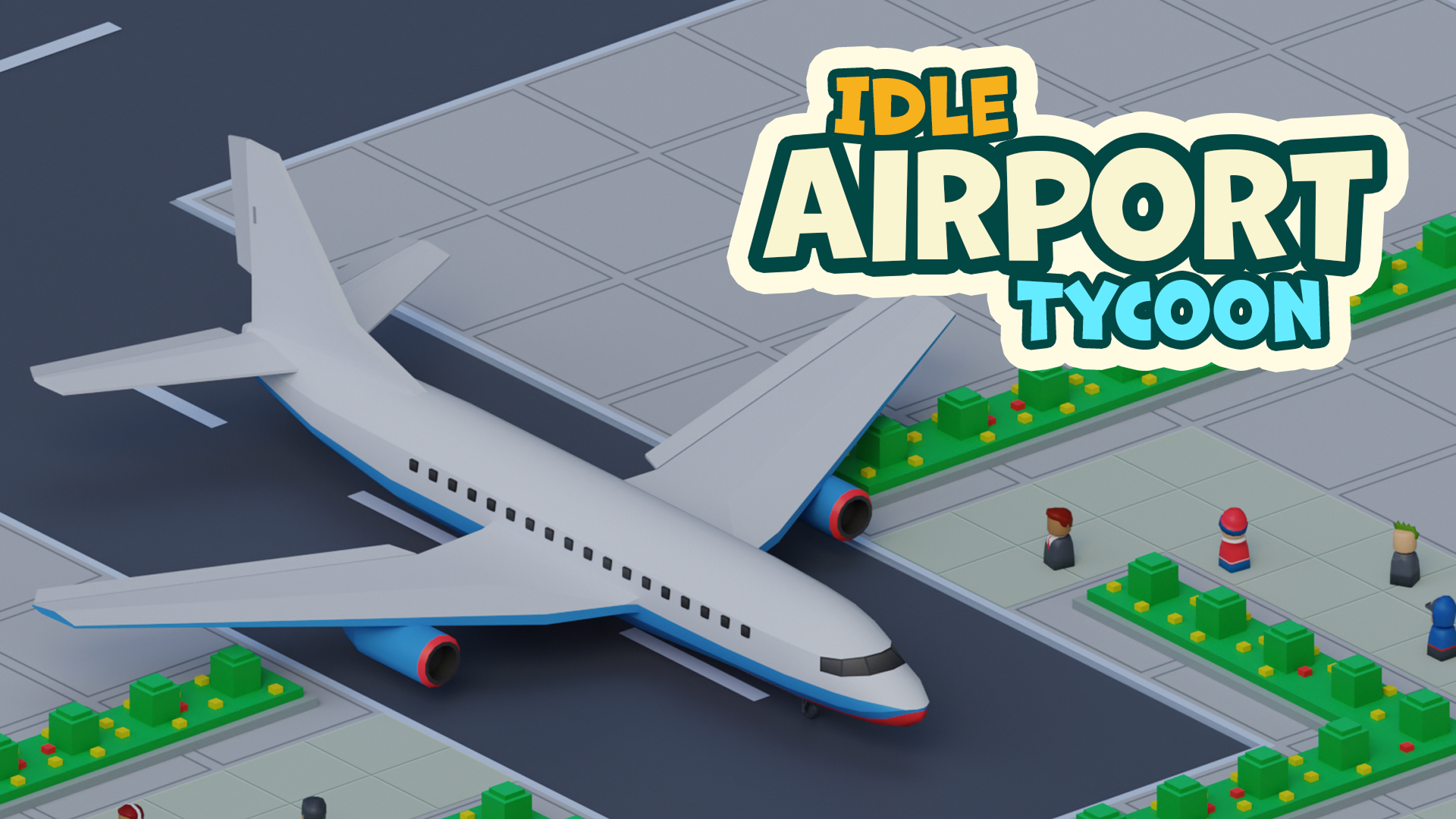
- Tap and click: Idle Zoo Tycoon and Idle Airport Tycoon use the mouse or your finger on an interface. Idle Airport Tycoon also lets you change the camera size with the plus and minus keys.
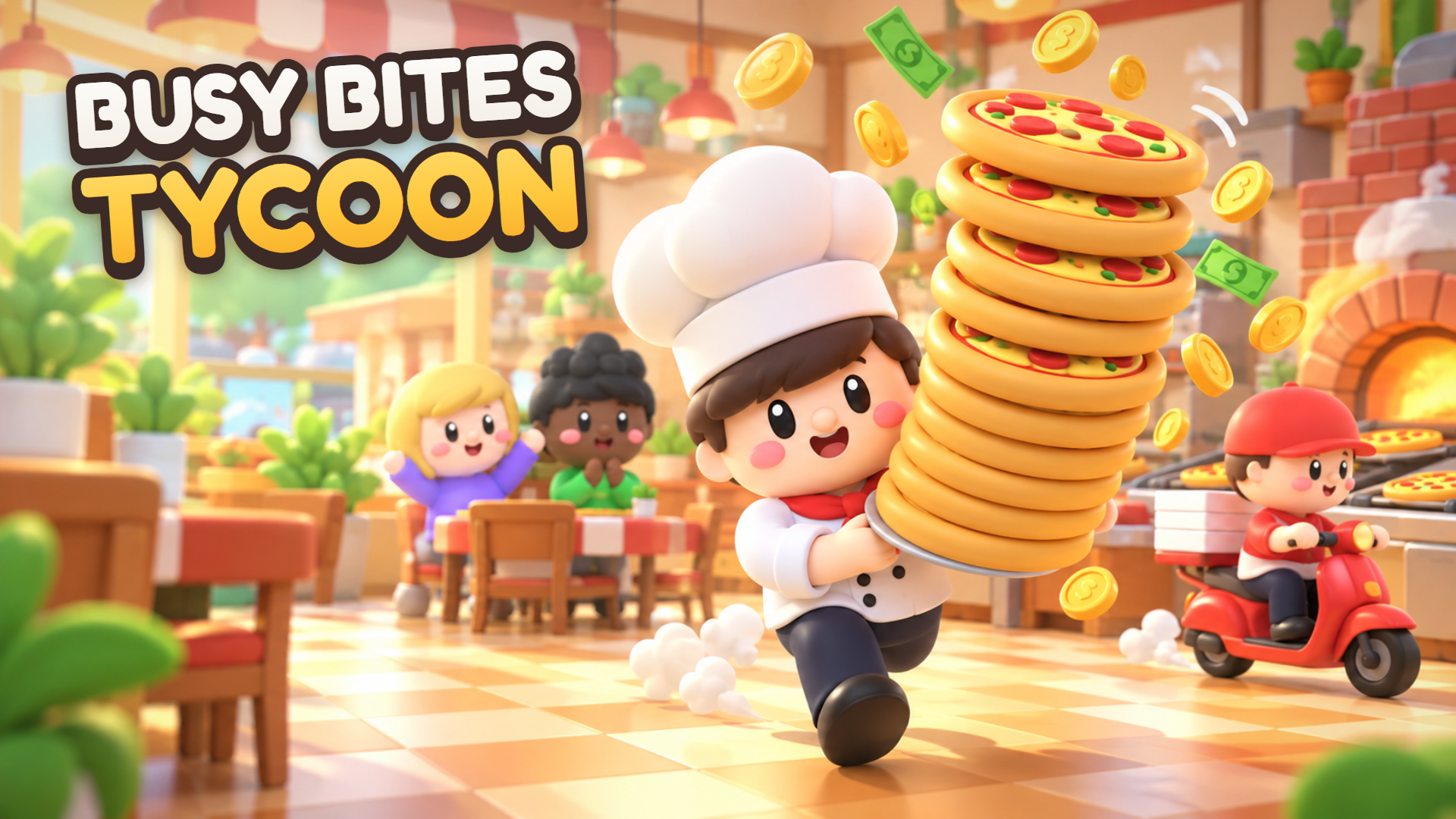
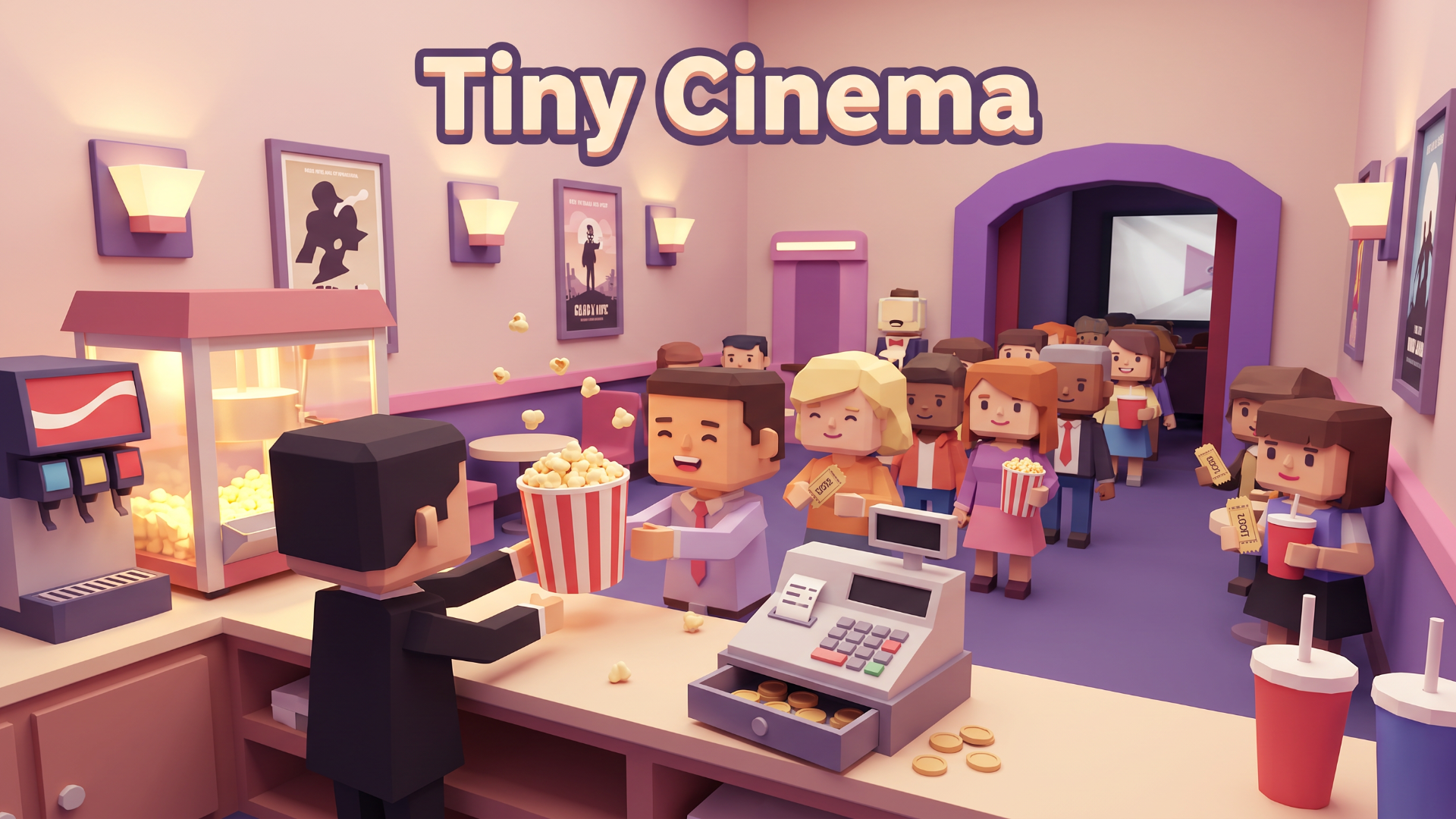
- Walk and carry: Busy Bites Tycoon and Tiny Cinema put you in the shop. You move with WASD, the arrow keys or a floating joystick, and you pay for upgrades by stepping onto pads.
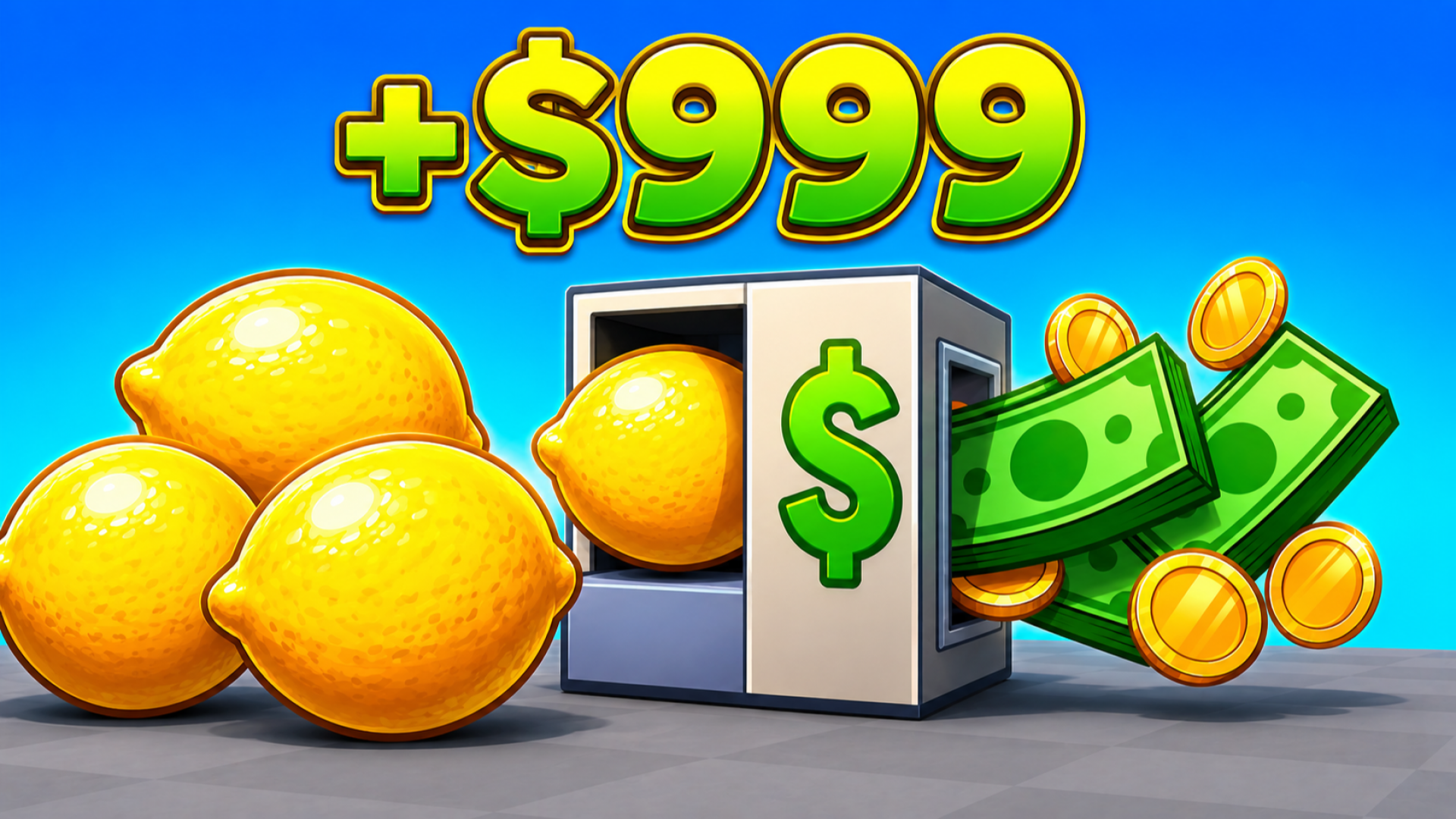
- Grow and harvest: Sell Lemons Idle starts with a single lemon. You harvest, open new farms, automate production and chase multipliers. On desktop you move with WASD and look around with the mouse.
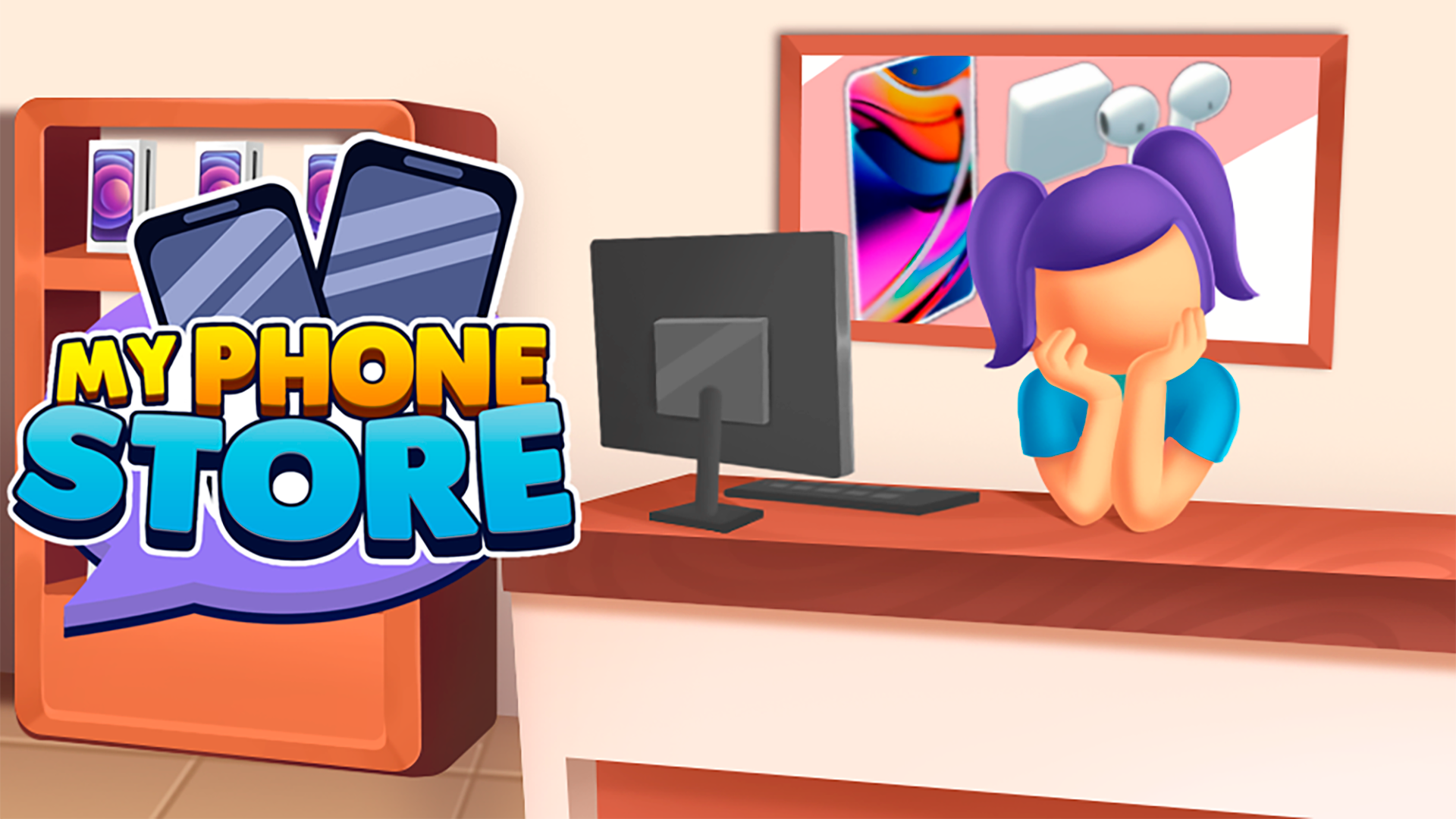
- Build a product line: My Phone Store has you make smartphones, laptops and tablets, sell them and put the money back into the store.
Busy Bites Tycoon is a world tour of four restaurants, and each finished one raises your prices everywhere. Tiny Cinema works the same way across venues: finish the cinema and you open the Drive-In. Both reward you for completing a location instead of endlessly polishing one.
Where do merge games fit?
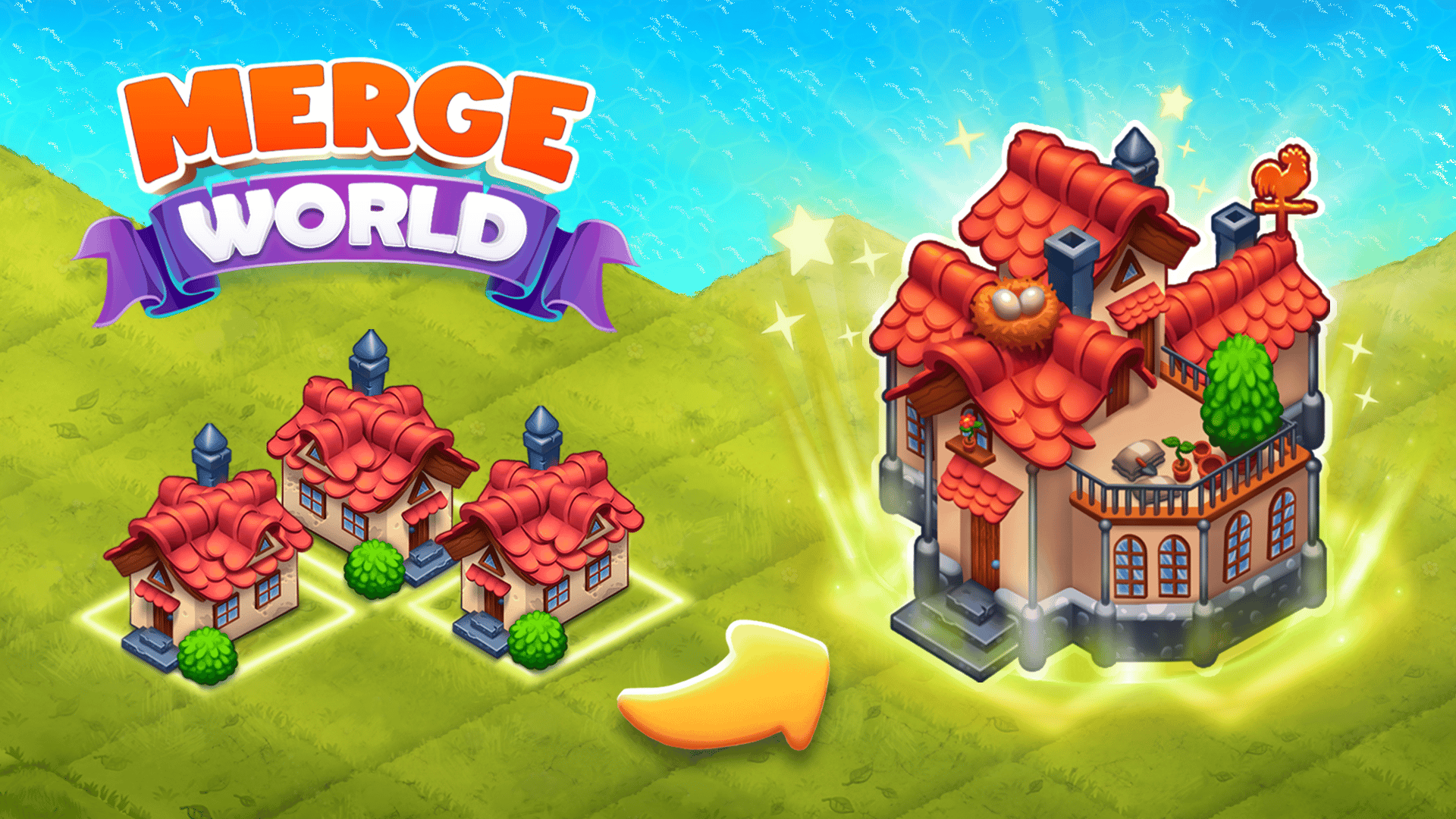
Merge games swap spending for combining. In Merge World, three identical items merge into a building, fairy workers construct it, and merging buildings gives bigger ones. Keep rainbow flasks for merges where you are one item short, and send your highest buildings to the depositories, because only top-level ones qualify.
The pace feels like an idle game, but you decide each step. Browse the merge games page if you like the format.
Habits that help in almost every game
- Improve production first. In My Phone Store, faster production means each device sells faster and more money flows in.
- Upgrade efficiency before size. In Sell Lemons Idle, make the farm more efficient before adding more of it.
- Reinvest steadily. In Idle Train Empire Tycoon, regular spending unlocks new destinations and keeps the platforms and halls growing.
- Pay in small amounts when the game lets you. Busy Bites Tycoon keeps what you have already paid on a price pad.
- Hire help to automate each room, then use your own time to unlock the next one.
- Collect daily bonuses and rewards when they appear. Several of these games keep earning while you are away.
What to check before you start
Look at the controls. A tap game works well on a phone, while a walking game suits a keyboard or joystick. Also check whether the game sells anything. Seven of the games here have no purchases at all. Idle Airport Tycoon has optional in-game purchases, and it is free to open.
Games in this guide
Related categories
More guides
See all- Relaxing Puzzle Games: Tiles, Sorting and Jigsaws
What makes a puzzle game calm, and a tour of mahjong, sorting, jigsaw and merge games that suit short, quiet sessions.
- Racing and Car Games Compared
Drag races, stunt tracks, balance runs, crashes and parking: how racing and car games differ, with controls and tips for eight of them.
- Tower Defense Strategy Basics
How tower defense games work, the styles inside the genre, and early-game habits that hold up across eight different games.