How Escape Room Games Work: Clues, Items and Codes
An escape room game locks you in a space and asks you to find the way out. You search for clues and items, combine what you find, solve codes and open the next door. This guide breaks down that loop, shows how six games use it and lists what to try when you are stuck.
The games sit in escape games, with a few in hidden object games and puzzle games.
What is the basic loop?
Search, collect, combine, solve, open. You look at every object in a room and pick up what you can carry. You join items that belong together and use them on the right part of the scene. Each solved puzzle opens something new.
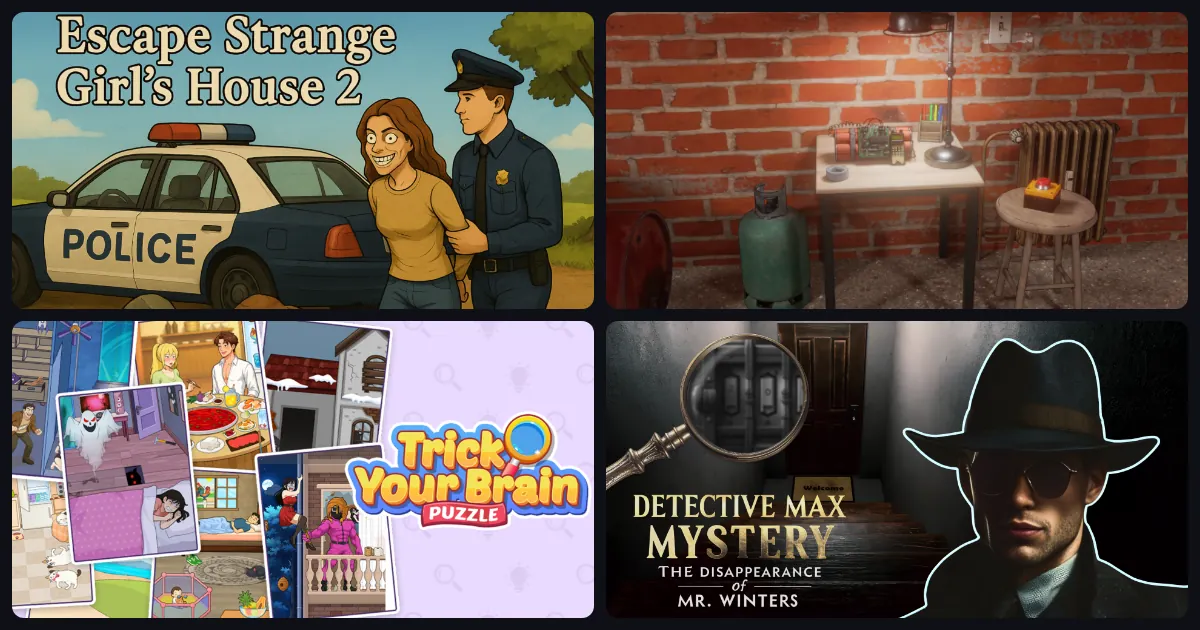
Escape Strange Girl’s House 2 casts you as a private detective in an isolated house, where a person vanished a month ago. It is a first-person point-and-click game. Rooms hold items to pick up and merge, and notes and clues explain what happened. Horror colors the mood, so expect an uneasy setting. It has no in-game purchases and plays in landscape.
How do codes and riddles fit in?
Codes are the locks. A clue somewhere in the room gives the digits or symbols, and a keypad or lock waits elsewhere.
The Escape Series strings together separate rooms. Each one hides clues and objects, and each asks its own riddles. Codes and item combinations act as the locks. Look at every object twice, since clues often sit in small details. Write codes down, because a room can reuse a clue.
How do detective stories fit?
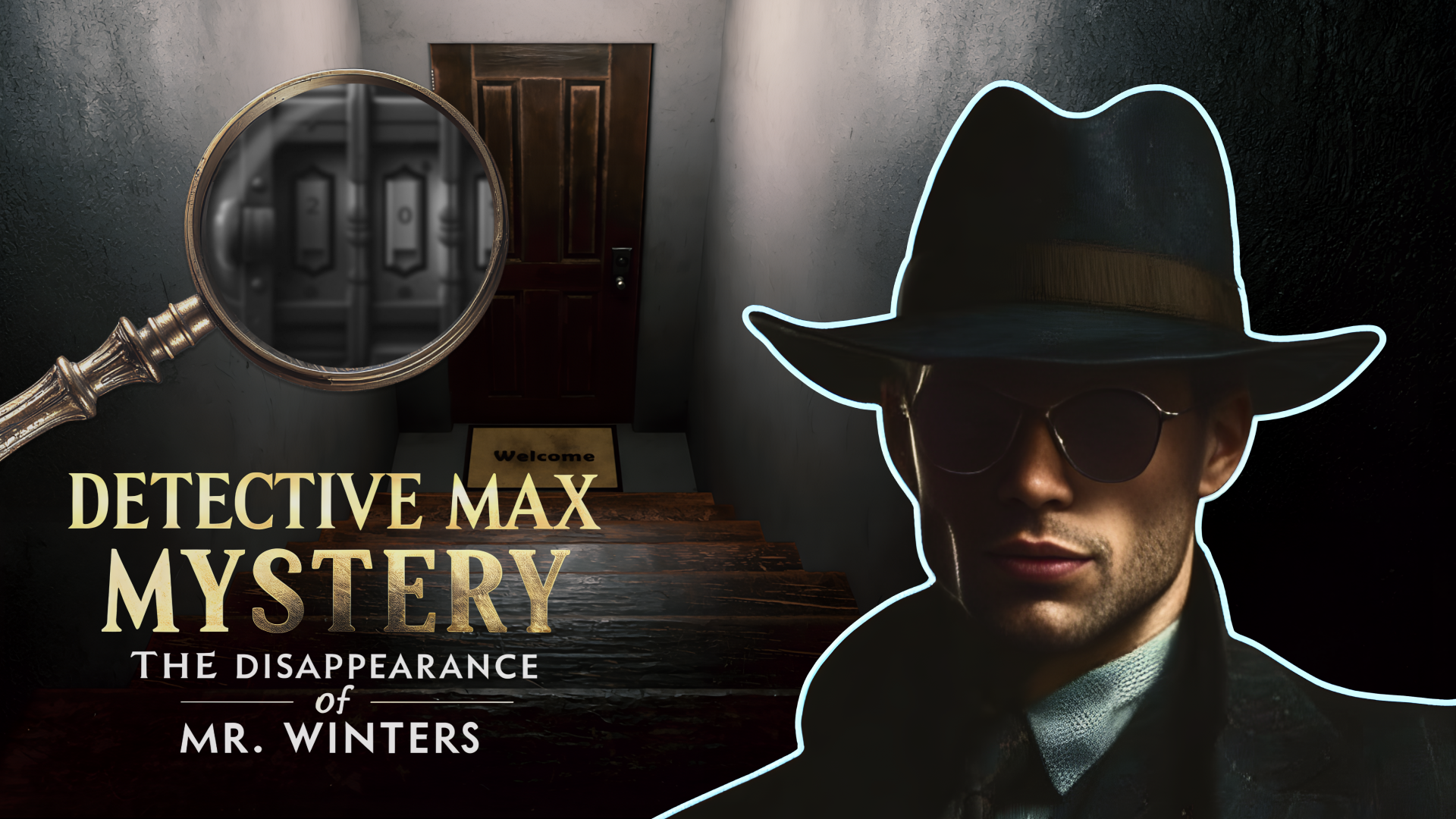
Some games wrap the loop in a case. In Detective Max Mystery: The Disappearance of Mr. Winters, the detective's neighbor leaves a postcard, says he moved in a hurry and wants Max to track down a mystery box he lost. Your search of his apartment blends escape room with classic detective story. You click the parts of the scene worth investigating and drag objects to solve puzzles. The game has optional in-game purchases, and it is free to start.
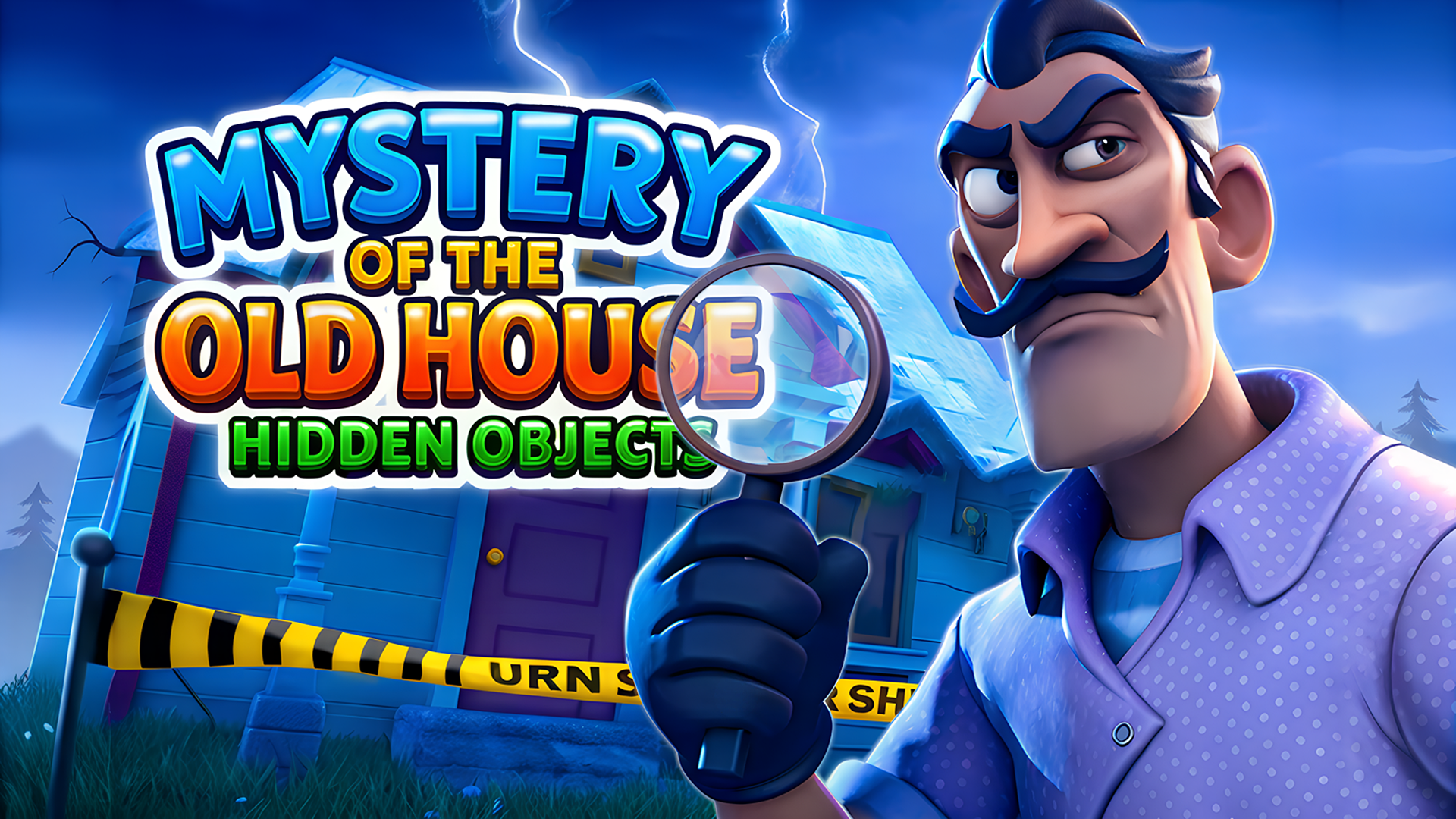
Mystery of the Old House: Hidden Objects uses a list instead. Each room shows the names of items you must find along the bottom edge. Both games are laid out for landscape screens. The Old House game also has optional in-game purchases, and you can play it free with no download.
Which games bend the formula?
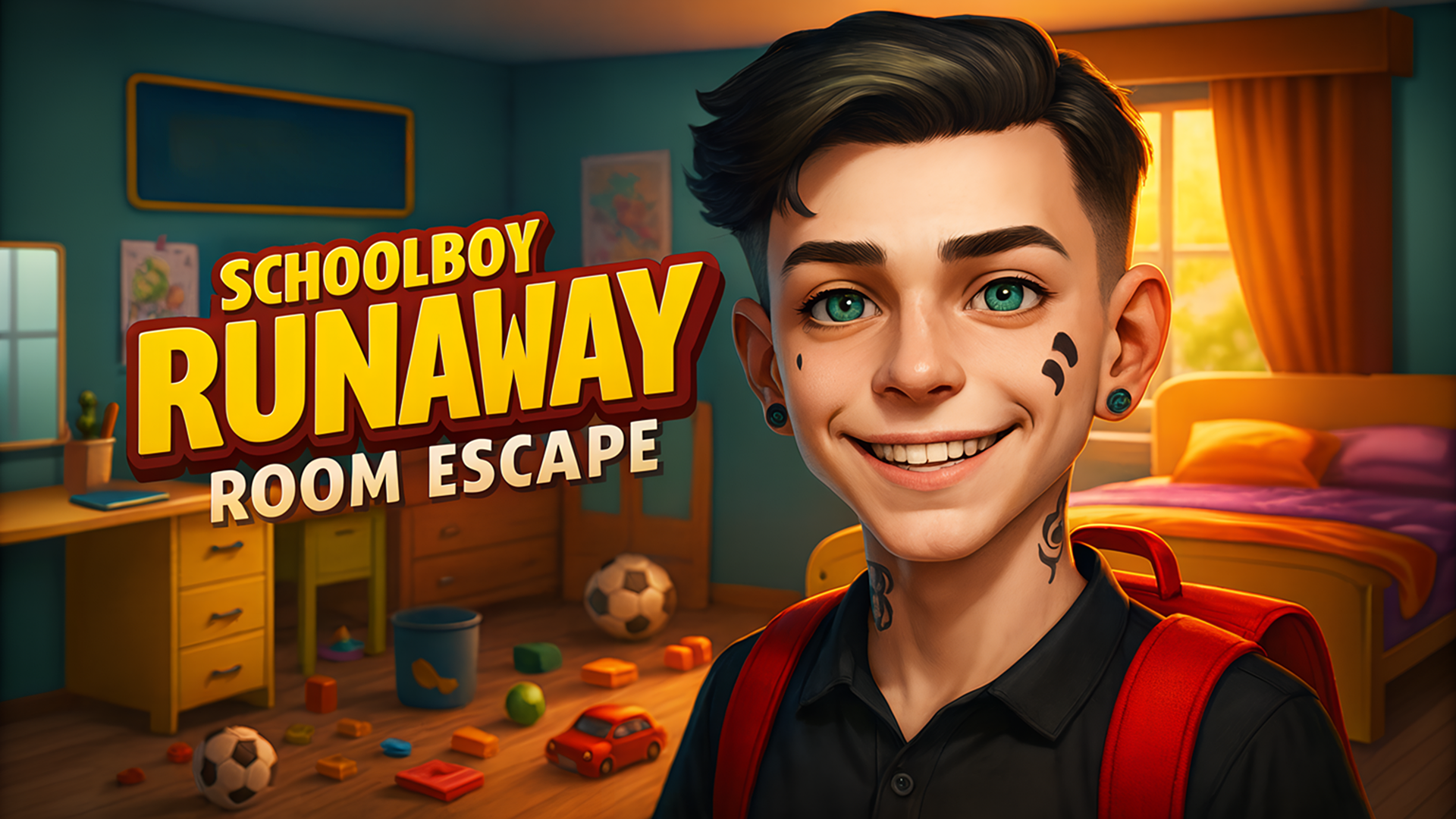
- Escape from chores: Schoolboy Runaway: room escape is a 3D quest seen from a first-person view. Strict parents hand you chores, so you hunt for hidden objects around the house and slip out. You walk with WASD on a computer and use the mouse to turn.
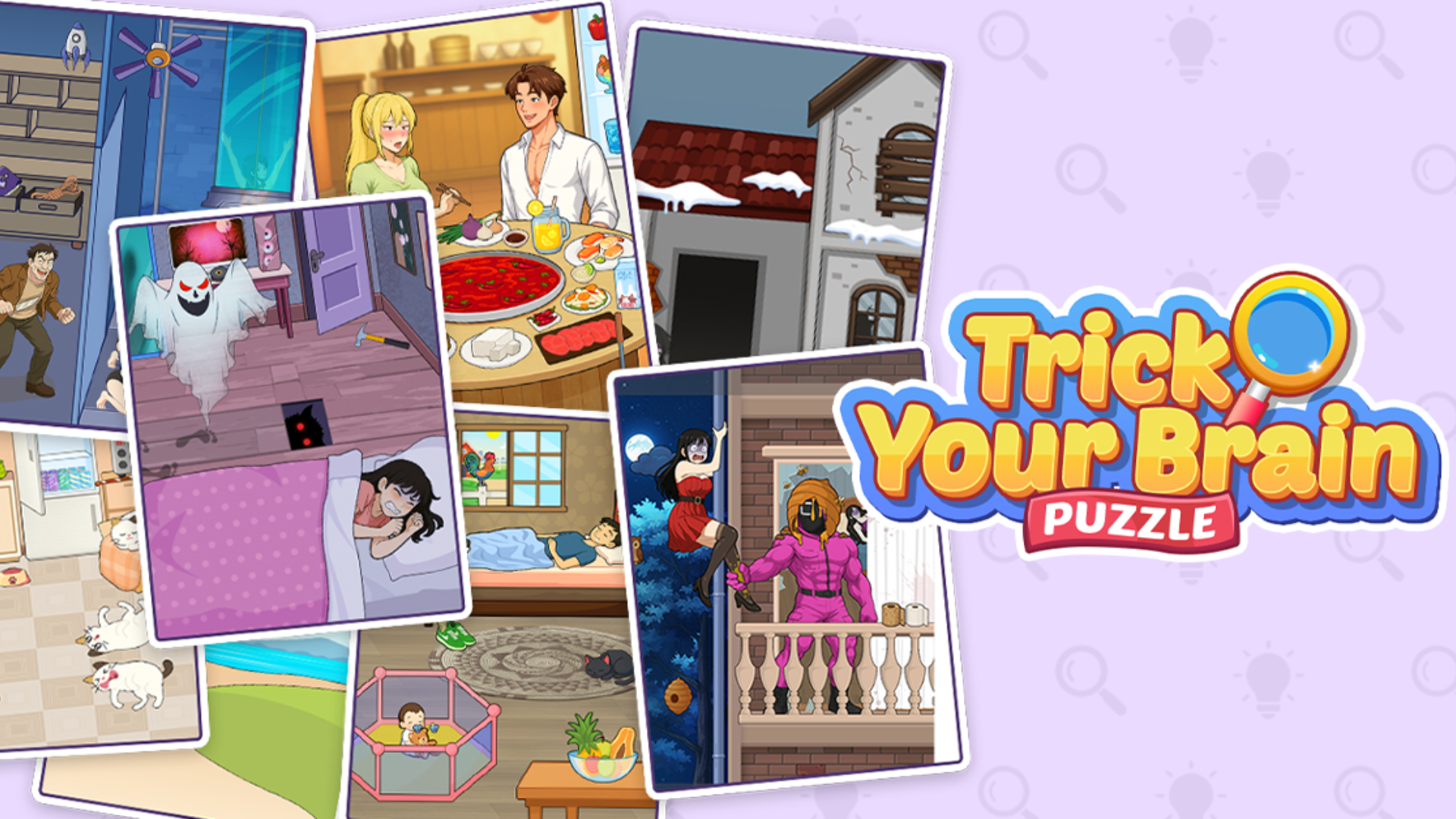
- Drag-and-drop logic: Trick Your Brain Puzzle has you tap, drag and drop objects in the right sequence to free a stuck character. A timer is running, so one wrong move can end in a funny failure. Hold a phone upright to play.
What do you do when you are stuck?
Work through this list in order.
- Re-read every note and clue. In Escape Strange Girl’s House 2, the game says they reveal important hints.
- Combine items. If an object has no use yet, try pairing it with another one in your inventory.
- Check your inventory. In the Detective Max game, items you picked up solve later puzzles.
- Search each room fully before you move on, because every object matters.
- Use a hint, but only after a careful look. In Detective Max Mystery, the tip is to use a hint instead of clicking everywhere.
Start with The Escape Series, since it has no story to follow and every puzzle is about the room itself. Then try Detective Max Mystery for a case with a clear goal.
Games in this guide
Related categories
More guides
See all- Stealth Games: How Sneaking Past a Watcher Works
How a watcher spots you, how you slip away, and which of six stealth and prank games to open first.
- Jam Puzzles: How to Clear Bus, Car and Arrow Puzzles
Free the piece with a clear path first: how car, bus, arrow, truck and block jams work, with eight games to try.
- Horror Games in the Browser: What to Expect
Five shapes of browser horror, how scary seven games say they are, and which two need a computer.