Evolution Games Explained: From Small to Strong
Evolution games promise one arc: you start small and weak, and you finish large and strong. The real question is what drives the growth, because that decides how you play. This guide sorts six games by their engine: fighting, merging, steering, spending and raising. It also shows which one suits a quick session and which one rewards planning.
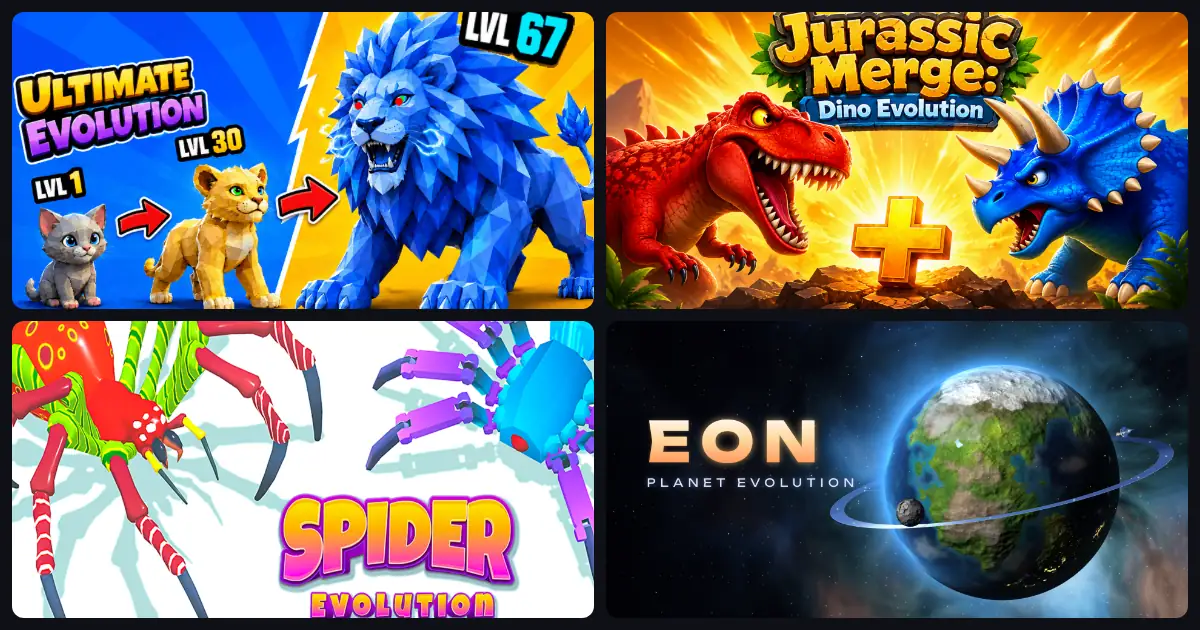
The six are Ultimate Evolution, Jurassic Merge: Dino Evolution, Spider Evolution, EON: Planet Evolution, Grow Slime and I am Monkey. Five of them offer optional in-game purchases, and all six open in your browser. Spider Evolution is the exception. It has no in-game purchases and runs only on desktop computers, not on phones.
Where does the growth come from?
In many evolution games a loop repeats: earn a resource, turn it into a stronger form, then face a harder challenge. Each game below leans on one source of growth.
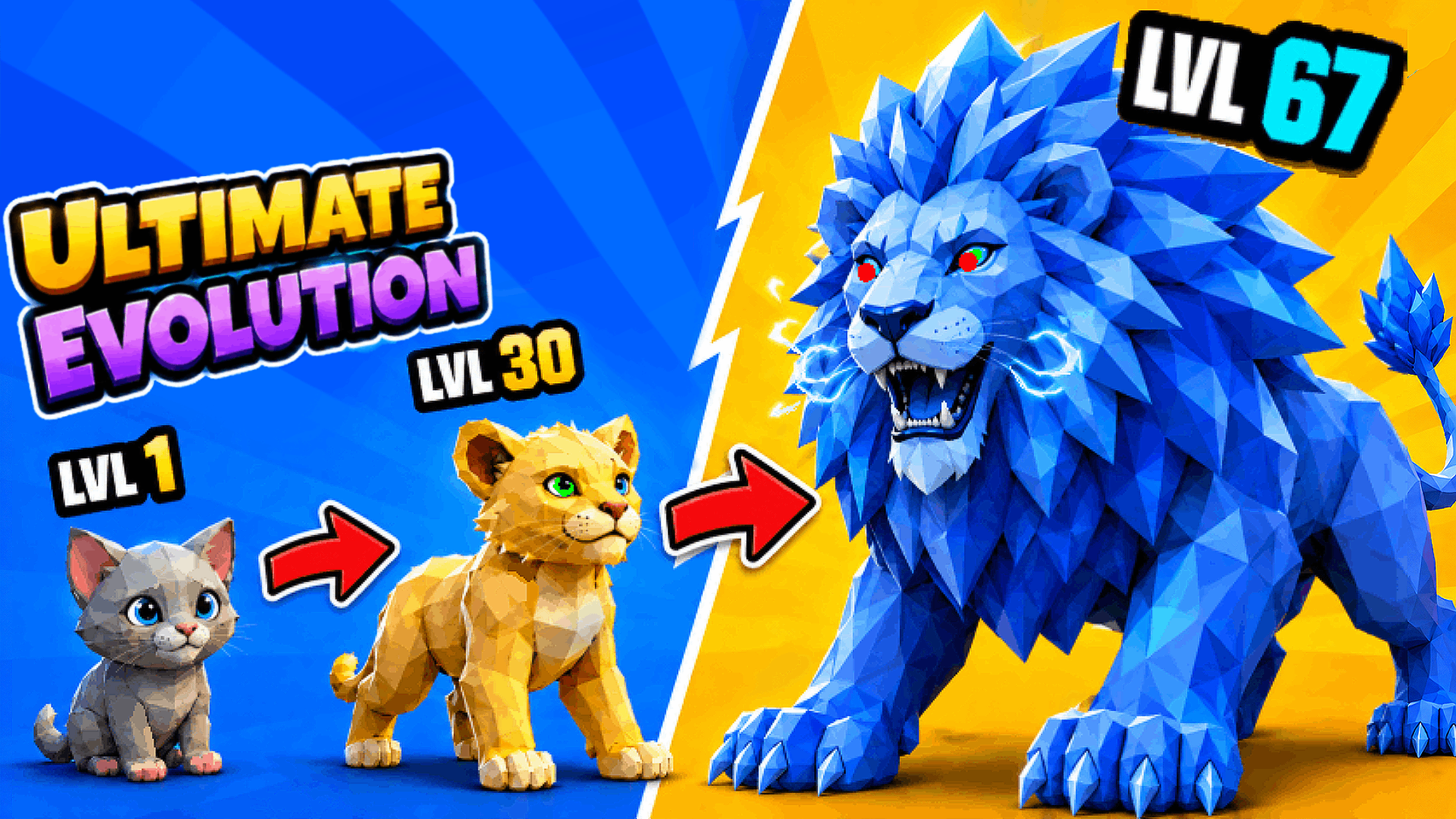
- Fighting: Ultimate Evolution drops you into a PvP arena. Each rebirth banks permanent DNA upgrades, and EVO points flow into the Evolution Tree for mutations.
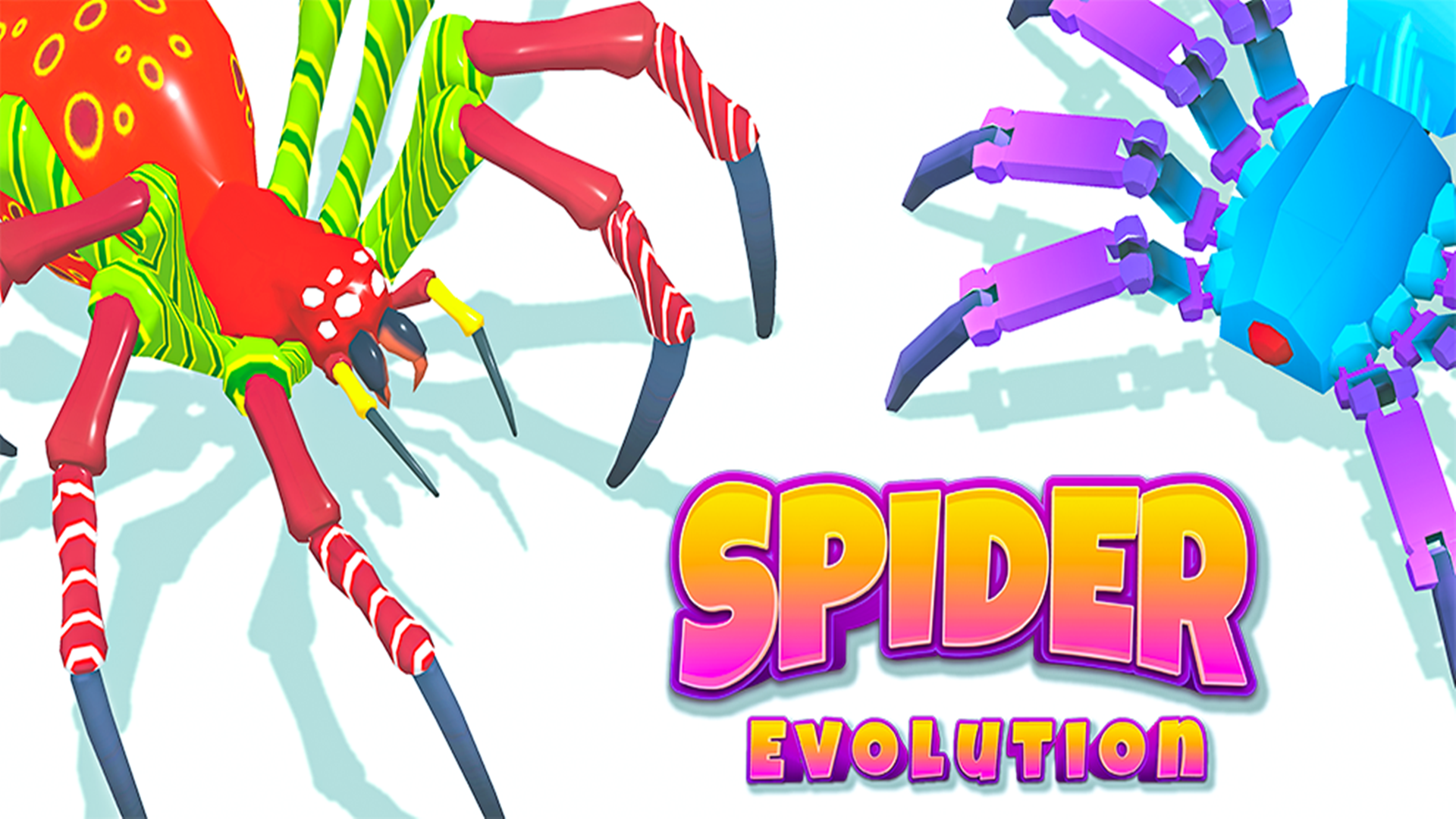
- Steering: Spider Evolution strips the controls down to left and right. You grow by outplaying other players, so the only skill is where you point the spider.
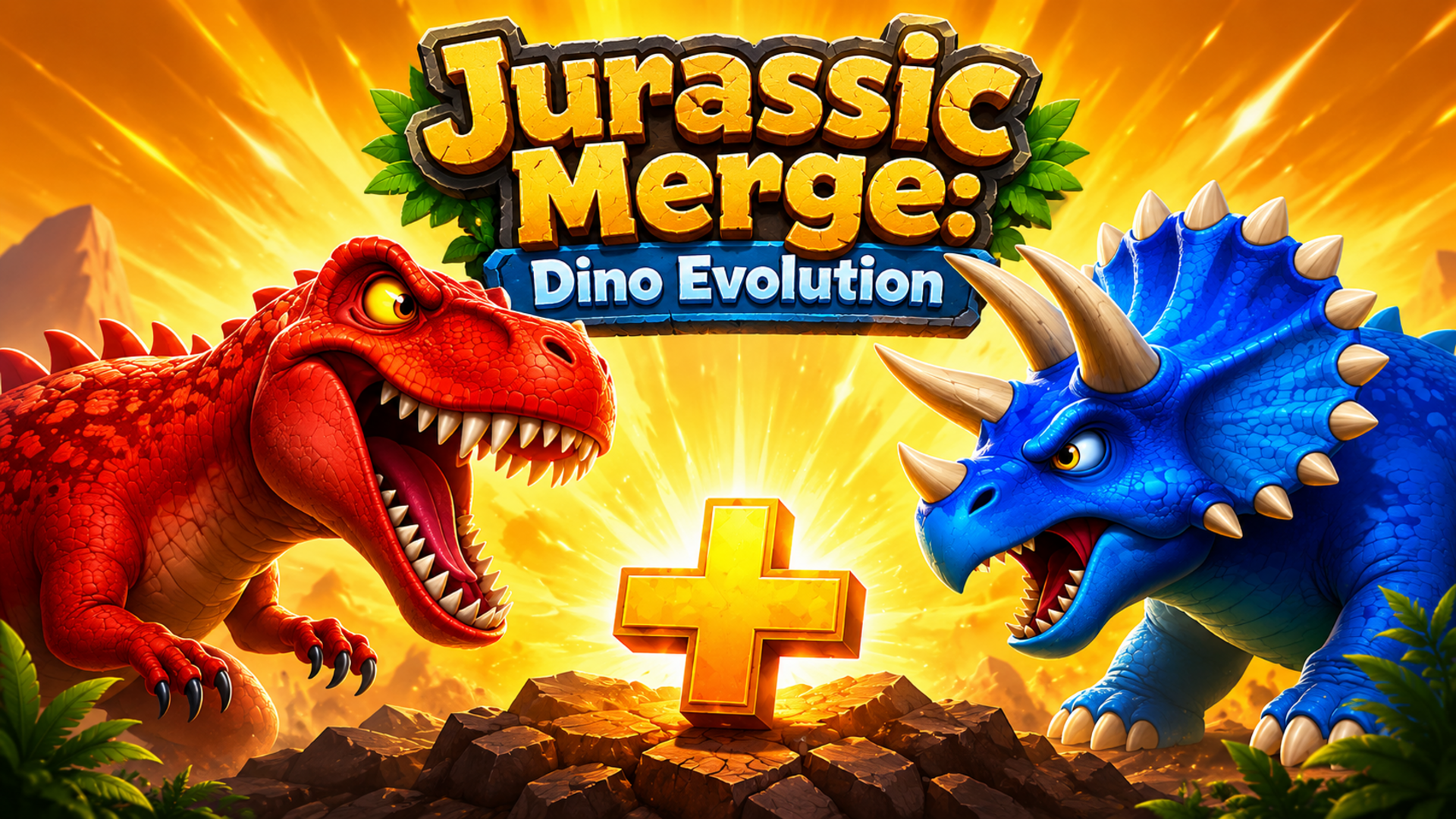
- Merging: Jurassic Merge: Dino Evolution fuses two identical dinosaurs into a stronger one, and the fights run on their own.
- Spending: EON: Planet Evolution turns clicks into energy, then energy into life forms and DNA traits across nine eras.
- Raising: Grow Slime hatches slimes from eggs on your farm and pays you in drops, which you sell for coins.
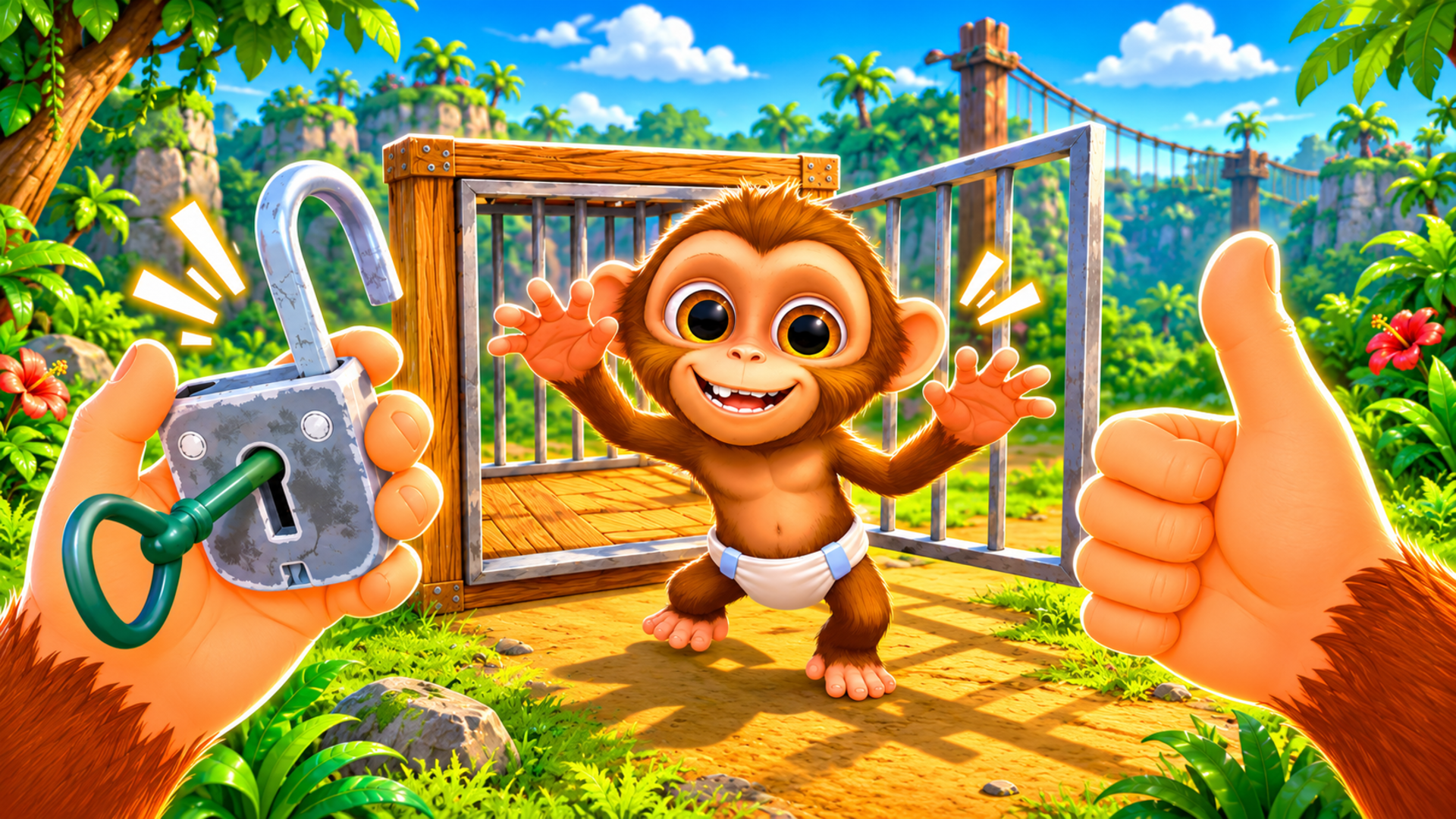
- Unlocking: I am Monkey grows you through tasks from an elephant, and each task opens new abilities.
How do the two fighting games differ?
Both ask you to outgrow rivals, but they ask for different amounts of attention. Ultimate Evolution is the deep one. You push stats such as attack, speed, crit chance, lifesteal and armor, bring pets into fights and move through 20 worlds that each want a different strategy. Bosses and mini-games break up the arena battles. You can play with WASD or the arrow keys, or with the mouse alone. On a phone, two joysticks handle movement and camera.
Spider Evolution is the quick one. Movement is left and right only, with the arrow keys, A and D, or the mouse, and it opens in your browser with no download. It suits a short break, because you make one decision at a time: which side to steer toward.
What do the planning games ask of you?
In Jurassic Merge: Dino Evolution the decisions come before the fight. You merge identical dinosaurs, place the army on the field, then watch the battle play out by itself. Victories pay crystals and gold for unlocking and upgrading characters. When a wave beats you, the fix is a better formation or another upgrade, not quicker fingers.
EON is calmer. You tap the planet for energy and use the Life tab to add species, then assign DNA to traits in the Evolution tab. Assign DNA before you press Make the leap, so the next era opens with stronger traits. Keep the temperature near the white mark for a harmony bonus. Progress saves automatically.
Grow Slime sits closest to a farm game. Unlock eggs to meet new kinds of slimes, hit slimes to gather drops, sell the drops for coins and put the coins into eggs and farm upgrades. A few kinds grow bigger or drop golden loot, so new eggs are the reason to keep selling.
Does I am Monkey count as an evolution game?
Only loosely. The monkey never changes shape, but its power still grows. You run, jump and climb around a zoo enclosure, pick up and throw items, hit annoying visitors and return to the elephant for the next task. Each task unlocks more abilities, so the loop matches the genre even without a body upgrade. On a keyboard, press E to pick things up and F to throw them.
Which one should you start with?
Start with Spider Evolution if you want the rules in one sentence. Try Jurassic Merge: Dino Evolution when you like arranging pieces more than reacting. Open EON for a slow build that saves as you go. Pick Ultimate Evolution when you want a real build with pets and stats, and Grow Slime for a small farm loop. More creature titles live in animal games, while idle games and simulation games hold the slower builders.
Games in this guide


Related categories
More guides
See all- Dress-Up and Salon Games: How Styling Games Work
Three kinds of styling game, eight examples: pick a look, build the garment or run a treatment, and what each step asks of you.
- Cooking Game Styles: Recipes, Restaurants and Shops
Four cooking-game styles and the pace of each: step-by-step recipes, restaurant management, tycoon shops and a food sorting puzzle.
- Chess and Checkers Online: A Beginner's Guide
Opening habits for chess, the must-capture rule in checkers and a plain look at five games, from computer practice to online rating ladders.